

Dried Celery
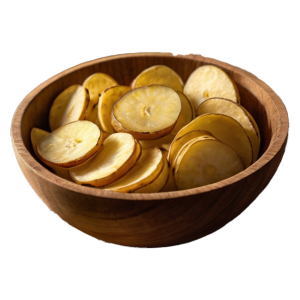
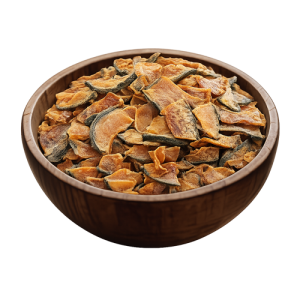
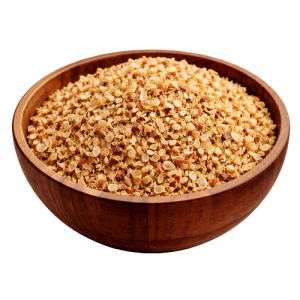
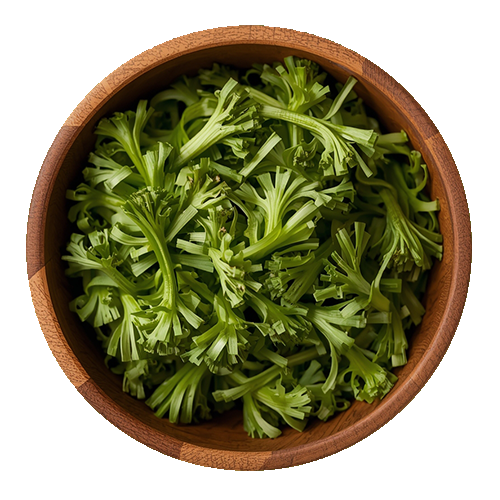
Dried celery is celery that has been dehydrated to preserve it for long-term storage and convenience. Dehydrating celery involves removing the moisture content from the stalks, which prevents spoilage and helps retain its flavor and nutrients.
| Nutrient |
Amount per 100 g |
|---|---|
| Calories |
300-350 kcal |
| Protein |
10-12 g |
| Total Fat |
1-2 g |
| Saturated Fat |
0.2 g |
| Carbohydrates |
70-75 g |
| Dietary Fiber |
30-35 g |
| Sugars |
9-10 g |
| Vitamin A |
30–40 IU |
| Vitamin C |
6–8 mg (depending on drying method) |
| Vitamin K |
400 mcg |
| Folate |
20–30 mcg |
| Calcium |
150-200 mg |
| Iron |
3-4 mg |
| Magnesium |
60-70 mg |
| Sodium |
20–40 mg (varies by method, particularly if any salt is used during drying) |
How to Use Dried Celery:
- Soups and stews: Rehydrate dried celery in water before adding it to soups, broths, or stews.
- Seasoning mix: Ground dried celery can be used as part of seasoning blends for things like homemade ranch or vegetable seasonings.
- Snacks: You can eat dried celery as-is, but its texture will be quite different from fresh celery.
- Smoothies: When ground into powder, dried celery can be added to smoothies or shakes.
Rehydrating Dried Celery:
To rehydrate dried celery, simply soak it in water for about 20-30 minutes, depending on how dry it is. You can also add it directly to dishes where it will absorb liquid, like soups or sauces.
How to Dry Celery at Home:
- Clean the Celery: Wash and trim the celery stalks.
- Slice: Cut the celery into uniform pieces (about 1/4-inch thick slices).
- Blanch (optional): Some people blanch the celery by boiling it for 3 minutes and then plunging it into ice water to preserve color and texture, though this step is not always necessary.
- Dry: Place the celery on a dehydrator tray or spread it on a baking sheet if using an oven. If using a dehydrator, dry at 125°F (52°C) for 6-8 hours, or until completely dry and brittle. In an oven, set it to the lowest possible temperature and check regularly.
- Store: Once dried, store the celery in an airtight container or vacuum-sealed bag. It should be kept in a cool, dark place, and it can last for up to a year if stored properly.
- Powdered Celery (Celery Powder)
Usage: Dried celery can be ground into a fine powder to create celery powder, which is often used in seasonings, spice blends, or as a flavoring agent.
Applications:
- Seasoning mixes: Celery powder is a key ingredient in some seasoning mixes, such as celery salt (a common seasoning for cocktails like Bloody Marys, as well as in potato salad and coleslaw).
- Soup bases: Celery powder can be added to bouillon cubes or powder mixes to enhance the flavor.
- Vegetable chips and snacks: Powdered celery can be included in vegetable seasoning blends for snacks like kale chips or flavored nuts.
- Broth and Soup Mixes
Usage: Dried celery is often used in pre-packaged soup mixes, broths, and gravies due to its strong, concentrated flavor.
Applications:
- Instant soup packets: Dried celery can be rehydrated and added to ready-made soup mixes.
- Vegetarian or vegan broths: Dried celery adds flavor to plant-based broths and bouillons.
- Herbal Tea Blends
Usage: Dried celery can be included as an ingredient in herbal tea blends, often for its mild, savory taste and potential health benefits.
Applications:
- Digestive teas: Celery is sometimes used in teas designed to aid digestion, as it's thought to have mild diuretic properties.
- Flavored blends: Celery can be combined with other herbs like parsley, dill, and ginger to create savory or medicinal teas.
- Celery Paste or Puree
Usage: After rehydrating dried celery, it can be blended into a celery paste or puree.
Applications:
- Sauces: The puree can be used as a base for sauces or marinades, especially in dishes that need a savory, herbal kick.
- Dressings: The paste can be incorporated into salad dressings or dips, such as a creamy celery dip or ranch dressing.
- Celery Extracts
Usage: Dried celery can be processed into extracts, where the flavor and nutrients are concentrated.
Applications:
- Flavoring agent: Celery extracts can be used in food manufacturing to enhance the taste of sauces, gravies, or packaged foods.
- Health supplements: Celery extracts are sometimes used in supplements for their potential health benefits, such as anti-inflammatory properties.
- Celery-Based Snacks
Usage: Dried celery can be a base ingredient in vegetable snacks and energy bars.
Applications:
- Vegetable chips: Dried celery can be ground or rehydrated, then baked or fried to make vegetable chips or mixed into a crunchy snack mix.
- Celery energy bars: Rehydrated celery can be combined with other dried vegetables or fruits to create nutritious, savory energy bars or granola bars.
- Animal Feed
Usage: Celery is sometimes used as a component in animal feed, especially for herbivores.
Applications:
- Pet food: Dried celery can be added to dog food or treats as a source of fiber and flavor.
- Livestock: It can be included in the feed for livestock like rabbits or guinea pigs that benefit from high-fiber, plant-based ingredients.
- Natural Food Colorant
Usage: Celery has a mild green color that could potentially be used in natural food coloring, particularly in vegetable-based products.
Applications:
- Natural food dyes: After extracting pigments, dried celery could be used to create a natural green food colorant for items like pasta, baked goods, or candies.
- In Cosmetics and Health Products
Usage: Dried celery can be processed into extracts or essential oils for use in personal care products.
Applications:
- Skin care: Celery has antioxidants and anti-inflammatory compounds, which might be used in lotions, creams, or serums.
- Aromatherapy: While celery essential oil isn’t as common as other plant oils, it could be used in niche products targeting wellness or digestive support.