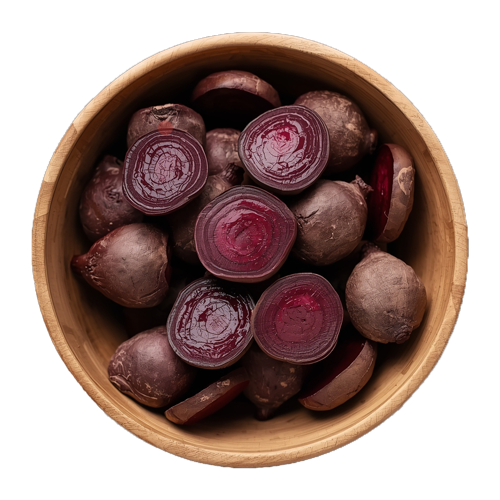
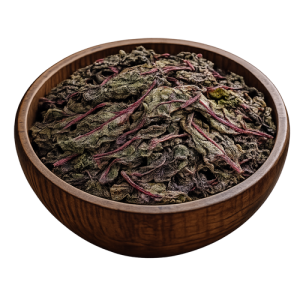
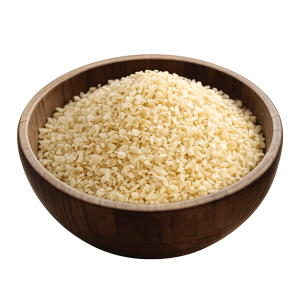
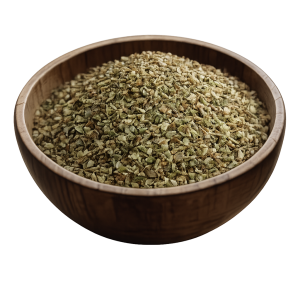
Dried beet is very popular in different syles. It’s available in various forms such as slices, flakes, chips, or powder, and is used in cooking, baking, or as a natural food coloring.
Nutrient
Amount per 100 g
Calories
380–400 kcal
Carbohydrates
80–85 g
Sugars
55–60 g
Dietary Fiber
8–10 g
Protein
10–12 g
Total Fat
0.5–1 g
Sodium
250–300 mg
Calcium
30–40 mg
Iron
2–4 mg
Magnesium
50–60 mg
Nutritional Benefits:
Rich in Nutrients: High in fiber, potassium, iron, and vitamins A, C, and B6.
Antioxidants: Contains betalains, which have anti-inflammatory and antioxidant properties.
Supports Heart Health: The nitrates in beets can help improve blood flow and lower blood pressure.
Storage:
Keep dried beet in an airtight container in a cool, dark place to maintain freshness. For long-term storage, consider freezing.
Uses of Dried Beet
Cooking: Add dried beet slices to soups, stews, or casseroles for flavor and color.
Snacks: Enjoy beet chips as a healthy, crunchy snack.
Smoothies: Use beet powder for a nutrient boost and natural sweetness.
Baking: Incorporate beet powder into cakes, cookies, or bread for color and earthy flavor.
Natural Dye: Use as a natural dye for foods, beverages, or cosmetics.
Applications
Food Industry
Powdered Form: Dried beets can be ground into beet powder, which is used as a natural food coloring or flavoring in baked goods, beverages, and snacks.
Dehydrated Chips: Rehydrated dried beets are used to make beet chips or as an ingredient in soups, stews, and salads.
Juices and Smoothies: Beet powder or rehydrated dried beets are used in health drinks and smoothie blends for their nutritional benefits.
Natural Sweetener: Used in products like energy bars and desserts for natural sweetness and earthy flavor.
Health and Nutritional Products
Dietary Supplements: Beet powder or extracts made from dried beets are popular in supplements for improving stamina and blood circulation (due to high nitrate content).
Functional Foods: Incorporated into health-focused foods, such as protein shakes and meal replacement powders.
Agriculture
Animal Feed: Dried beet pulp is a high-fiber feed for livestock, especially cattle and horses, providing energy and aiding digestion.
Compost Material: The dried remnants can be used in organic farming as a compost additive.
Cosmetic and Skincare Industry
Natural Colorant: Dried beet extracts are used as a natural dye in cosmetics like lip balms, blushes, and lotions.
Antioxidant Source: The high antioxidant content makes dried beet a valuable ingredient in anti-aging and skin-repair products.
Pharmaceuticals
Active Ingredients: Dried beets are a source of betalains and nitrates, which are used in medications and treatments for blood pressure regulation and cardiovascular health.
Dyeing and Textile Industry
Natural Dye: Dried beet powder can produce shades of red and pink, used for dyeing fabrics and natural fibers.