

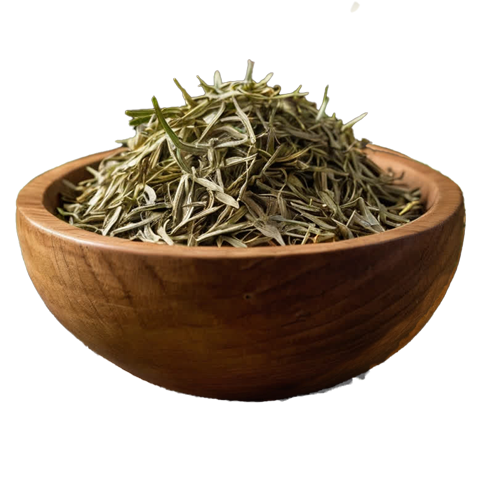
Dried Tarragon
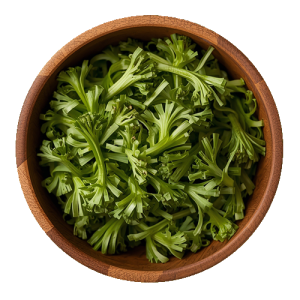
Dried Tarragon (Artemisia dracunculus) is the dehydrated version of the tarragon plant, a herb native to Eurasia. Known for its distinctive flavor, tarragon has a slightly bittersweet taste with hints of anise or licorice and is often used in cooking to enhance a wide range of dishes.
| Nutrient |
Amount per 100 g |
|---|---|
| Calories |
295 kcal |
| Protein |
19 g |
| Total Fat |
7 g |
| Saturated Fat |
0.8 g |
| Carbohydrates |
67 g |
| Fiber |
15-20 g |
| Sugars |
1-2 g |
| Sodium |
60 mg |
| Vitamin A |
3,000–4,000 IU (important for vision and immune function) |
| Vitamin C |
50 mg (supports immunity, skin health, and iron absorption) |
| Vitamin K |
150–200 mcg (important for blood clotting and bone health) |
| Folate |
100 mcg (helps with cell growth and DNA synthesis) |
| Vitamin B6 |
1.5 mg (supports brain function and metabolism) |
| Calcium |
150–200 mg (supports bone health) |
| Iron |
30 mg (important for oxygen transport in the blood) |
| Magnesium |
120 mg (important for muscle and nerve function)ant for muscle and nerve function) |
| Potassium |
700–800 mg (helps with blood pressure regulation and muscle function) |
| Zinc |
1–2 mg (supports immune function and enzyme activities) |
Dried Tarragon (Artemisia dracunculus) is the dehydrated version of the tarragon plant, a herb native to Eurasia. Known for its distinctive flavor, tarragon has a slightly bittersweet taste with hints of anise or licorice and is often used in cooking to enhance a wide range of dishes. While fresh tarragon is the most commonly used form in cooking, dried tarragon offers a convenient and longer-lasting alternative, with a concentrated flavor that can elevate various foods.
- Culinary Applications:
- Seasoning for Meats: Dried tarragon is often used in French cuisine and pairs particularly well with poultry, fish, and meats such as chicken, turkey, and lamb. It is commonly used in herb blends and sauces like béarnaise sauce, which is often served with steak or grilled fish.
- Salads and Dressings: Dried tarragon can be added to vinaigrettes, salad dressings, or marinades to infuse a subtle, anise-like flavor. It also complements the taste of mustard and vinegar.
- Vegetables: It can be used to flavor roasted vegetables, especially those with a mild flavor such as potatoes, carrots, and zucchini. Tarragon enhances the dish's overall taste profile with its delicate flavor.
- Soups and Stews: Add dried tarragon to soups, stews, or broths for a unique herbal flavor. It is particularly popular in chicken soups and creamy vegetable soups.
- Egg Dishes: Tarragon works wonderfully with eggs. It can be sprinkled over scrambled eggs, omelets, or used to flavor quiches.
- Seafood: Tarragon is a classic pairing with fish and seafood, especially in recipes like fish chowder, shrimp scampi, or grilled salmon.
- Breads and Baked Goods: You can also incorporate dried tarragon into breads, biscuits, or savory scones for an herby touch.
- Medicinal and Health Uses:
- Digestive Health: Tarragon has traditionally been used as a remedy for digestive issues, including indigestion, bloating, and gas. It may stimulate the appetite and promote healthy digestion.
- Anti-inflammatory and Antioxidant: Due to its antioxidants and anti-inflammatory properties, tarragon can be used as a natural remedy for reducing inflammation, such as in joint pain or muscle soreness.
- Menstrual Relief: Tarragon is sometimes used in herbal medicine to help with menstrual cramps and regulate the menstrual cycle. It is believed to have mild estrogenic properties.
- Sleep Aid: In folk medicine, tarragon is believed to promote relaxation and alleviate insomnia. Tarragon teas are sometimes consumed before bedtime to help with sleep.
- Aromatherapy and Essential Oils:
- Essential Oil: Tarragon essential oil is extracted from its leaves and is used in aromatherapy for its calming and relaxing properties. It can be used in a diffuser to relieve stress, anxiety, and mild headaches.
- Topical Applications: The essential oil is also used in skin care products for its purported antimicrobial and anti-inflammatory properties. However, it should always be diluted before applying to the skin.
- Natural Preservatives:
- In Pickling: Dried tarragon is often included in pickling spice blends for vegetables, particularly in gherkin and cucumber pickles. Its antimicrobial properties help extend the shelf life of pickled products.
- Herbal Infusions: Tarragon can be infused in oil or vinegar to create a flavorful herb-infused oil or vinegar that can be used for dressings, marinades, or as a condiment.
- Animal Feed:
- Animal Supplements: Dried tarragon can be used as an herbal supplement in animal feed, particularly for herbivores such as rabbits or guinea pigs. The herb may offer digestive support and natural antimicrobial benefits for animals.