

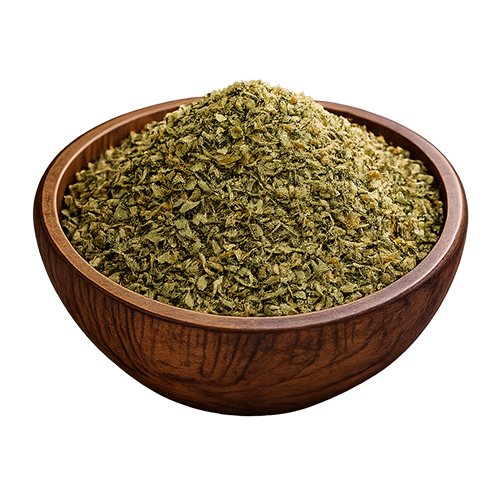
Dried Fenugreek
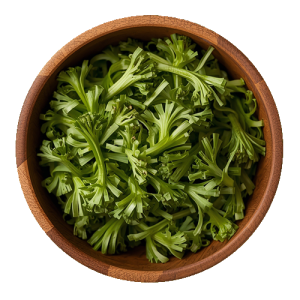
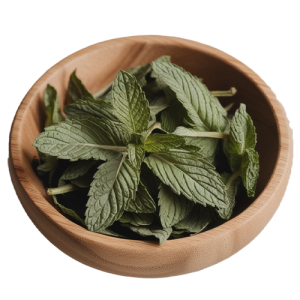
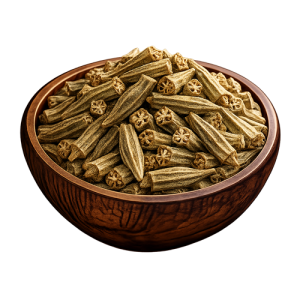
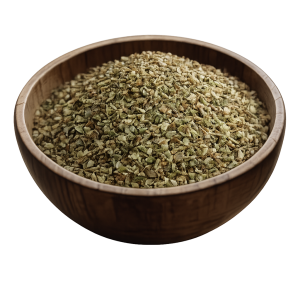
Dried Fenugreek (Trigonella foenum-graecum) is the dehydrated form of the fenugreek plant, which is commonly used both as a herb (its leaves) and as a spice (its seeds).
| Nutrient |
Amount per 100 g |
|---|---|
| Calories |
300-350 kcal |
| Protein |
25-30 g |
| Total Fat |
6-9 g |
| Saturated Fat |
1–1.5 g |
| Carbohydrates |
55-60 g |
| Dietary Fiber |
25-30 g |
| Sugars |
5-6 g |
| Vitamin A |
40–50 IU (important for skin and vision health) |
| Vitamin C |
3–5 mg (supports immune health) |
| Vitamin B6 |
0.6–0.7 mg (important for brain function) |
| Folate |
57–60 mcg (important for cell division and metabolism) |
| Calcium |
150–200 mg (supports bone health) |
| Iron |
20–25 mg (important for oxygen transport in the blood) |
| Magnesium |
100–120 mg (important for muscle and nerve function) |
| Zinc |
2–3 mg (supports immune function) |
Dried Fenugreek (Trigonella foenum-graecum) is the dehydrated form of the fenugreek plant, which is commonly used both as a herb (its leaves) and as a spice (its seeds). The dried leaves, known as Kasuri methi in Indian cuisine, and the dried seeds are highly aromatic and flavorful. Fenugreek has a long history of use in cooking, medicine, and beauty treatments.
- Culinary Uses
As a Spice:
- Fenugreek Seeds: Dried fenugreek seeds have a slightly bitter, nutty flavor with a touch of sweetness. When ground into powder, they are used to flavor various dishes, including:
- Indian Curries and Stews: Fenugreek is a key ingredient in Indian spice blends like garam masala and panch phoran (a Bengali five-spice blend). It's used in curry dishes, lentils, and vegetable stews.
- Middle Eastern Cuisine: In Egyptian cooking, fenugreek is used in dishes like Moujadara (lentil and rice) or dips such as Hummus.
- Pickles: Fenugreek is often used in pickling to add a tangy, savory flavor.
- Flatbreads and Porridges: Fenugreek seeds can be added to dough or porridge recipes for an earthy, aromatic flavor.
- Sprouted Seeds: Fenugreek seeds can be sprouted and added to salads, sandwiches, or as a garnish.
- Kasuri Methi (Dried Fenugreek Leaves):
- Seasoning for Curries and Gravies: Dried fenugreek leaves are often used in Indian cooking to enhance the flavor of curries, gravies, and lentil dishes. They add a distinct earthy and slightly bitter taste.
- In Flatbreads: Kasuri methi is frequently mixed into dough to make Methi Paratha (fenugreek flatbread).
- As a Garnish: Dried fenugreek leaves can be sprinkled over dishes as a garnish, adding both flavor and texture.
- Dips and Sauces: Dried leaves can be mixed into dips like yogurt-based dips or sauces for extra flavor.
- Medicinal Uses
- Blood Sugar Management: Fenugreek is widely known for its potential to help manage blood sugar levels. It is often included in supplements or teas designed for diabetic support. The soluble fiber in fenugreek may help slow the absorption of sugar in the blood.
- Digestive Health: Fenugreek is considered a natural remedy for digestive issues, including constipation and indigestion. The high fiber content supports regular bowel movements.
- Cholesterol Reduction: Fenugreek has been shown to lower bad cholesterol (LDL) levels and improve lipid profiles, which may support heart health.
- Hormonal Balance: Fenugreek is sometimes used to support lactation in breastfeeding mothers and may also be helpful in addressing symptoms of menopause.
- Anti-inflammatory and Antioxidant: The anti-inflammatory and antioxidant properties of fenugreek may help with conditions like arthritis, inflammation, and skin disorders.
- Beauty and Personal Care
- Hair Care: Fenugreek seeds and leaves are often used in hair masks and treatments. They are believed to promote hair growth, prevent dandruff, and improve scalp health.
- Hair Masks: Ground fenugreek seeds are mixed with yogurt or oil (like coconut oil) to create a nourishing hair mask. This can help treat dry, flaky scalps and stimulate hair follicles.
- Shampoos and Conditioners: Fenugreek extracts are sometimes included in commercial hair care products for their conditioning and anti-dandruff properties.
- Skin Care: Fenugreek is also used in skincare products for its anti-inflammatory and antibacterial properties. It is believed to help with conditions like acne, eczema, and dry skin.
- Face Masks: Fenugreek powder, mixed with water or honey, can be applied as a face mask to cleanse the skin and reduce inflammation.
- Soothing Balms: Fenugreek can be used in balms and lotions to treat minor skin irritations and rashes.
- Non-Culinary and Industrial Uses
- Animal Feed: Fenugreek is sometimes used as a supplement in animal feed due to its high protein content and potential health benefits. It can be used in poultry feed to improve overall health and egg production.
- Natural Fertilizer: Fenugreek plants, including dried leaves and seeds, can be used in composting or as natural fertilizers for plants due to their nitrogen-fixing properties.