

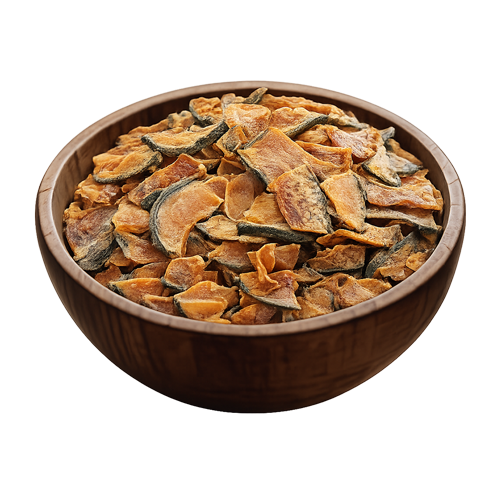
Dried Savory
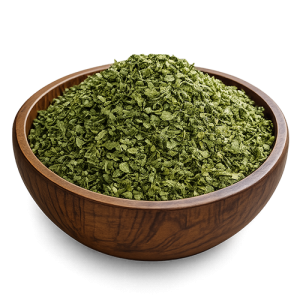
Dried savory is a convenient form of this herb, which maintains much of its aromatic properties and is a key ingredient in many Mediterranean and European dishes.
| Nutrient |
Amount per 100 g |
|---|---|
| Calories |
252 kcal |
| Protein |
10.7 g |
| Total Fat |
6.3 g |
| Saturated Fat |
1.3 g |
| Carbohydrates |
63.5 g |
| Fiber |
38.7 g |
| Sugars |
1.7 g |
| Vitamin A |
8,000 IU (supports vision and immune health) |
| Vitamin C |
50 mg (boosts immunity, supports skin health) |
| Vitamin K |
80 mcg (supports blood clotting and bone health) |
| Folate |
150 mcg (important for cell division and growth) |
| Vitamin E |
6 mg (antioxidant that helps protect cells from damage) |
| Vitamin B6 |
0.2 mg (supports metabolism and brain health) |
| Calcium |
1,400 mg (supports bone health) |
| Iron |
39 mg (important for blood oxygen transport) |
| Magnesium |
270 mg (helps with muscle and nerve function) |
| Potassium |
1,500 mg (supports heart health and fluid balance) |
| Zinc |
4.3 mg (supports immune function) |
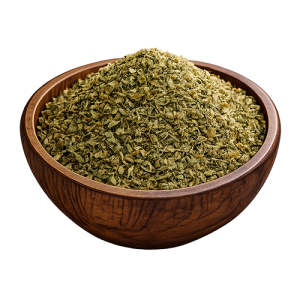
Dried Savory refers to the dried leaves of the savory plant, an herb commonly used in cooking for its distinct, peppery, and slightly minty flavor. There are two main types of savory—summer savory (Satureja hortensis) and winter savory (Satureja montana). Both varieties are used in cooking, though summer savory is more common for culinary uses due to its milder flavor.
- Meat Dishes:
- Poultry: Savory pairs wonderfully with chicken, turkey, and duck. It is often used in seasoning mixes or added directly to marinades for a peppery, herby kick.
- Lamb and Beef: Savory complements the rich, bold flavors of lamb and beef. It's commonly used in stews, roasts, and grilled meats.
- Sausages: In Europe, especially in France and Italy, savory is often used in sausage recipes, such as pork sausages and meatballs.
- Soups and Stews:
- Hearty Soups: Savory is a key herb in many bean soups, lentil stews, and vegetable soups. It’s often paired with thyme, rosemary, and bay leaves.
- Pasta Sauces: Add dried savory to tomato sauces, ragù, or Bolognese for extra depth and complexity.
- Vegetables:
- Roasted Vegetables: Savory is a great addition to roasted root vegetables like potatoes, carrots, parsnips, and squash. It enhances the earthy flavor of the vegetables.
- Stuffing: Savory is a classic herb for stuffing or dressing, particularly during the holiday season. It pairs well with bread, onions, and celery.
- Bread and Pastries:
- Herb Bread: Savory can be incorporated into herb bread, focaccia, or savory scones for a flavorful twist.
- Flatbreads: Sprinkle dried savory over flatbreads or use it as an ingredient in dough to create an aromatic, herbal flavor.
- Salads and Dressings:
- Salad Dressings: Add dried savory to vinaigrettes, especially those for Mediterranean salads or bean salads.
- Herb Blends: Savory is a key component in many herb blends, including Herbes de Provence, which pairs well with salads and grilled vegetables.
- Rice and Grains:
- Rice Pilaf: Dried savory can be used to flavor rice pilaf or other grain dishes, such as quinoa or couscous. It adds a peppery, herby note that complements the grains.
- Stuffed Grains: Use savory in stuffed grape leaves, stuffed peppers, or other grain-based stuffed dishes.
- Egg Dishes:
- Omelets and Scrambled Eggs: Sprinkle dried savory into omelets or scrambled eggs for added flavor.
- Frittatas: Savory is a great addition to frittatas, especially when paired with mushrooms, onions, or cheese.
- Digestive Health:
- Indigestion Relief: Savory is known for its ability to relieve symptoms of indigestion, bloating, and gas. Drinking savory tea or using it in cooking can aid digestion by stimulating bile production and improving fat digestion.
- Antispasmodic: Savory is often used in traditional medicine to help alleviate cramps and spasms in the stomach, intestines, or even the muscles.
- Respiratory Health:
- Cough Relief: Savory’s antimicrobial and soothing properties make it useful for treating coughs and congestion. It is often brewed into a tea or inhaled as steam to help open the airways and relieve symptoms of colds or bronchitis.
- Asthma: Savory may help reduce asthma symptoms due to its antispasmodic properties, which can ease the constriction of the airways.
- Antimicrobial and Antibacterial:
- Fighting Infections: Savory has been traditionally used to treat minor infections, including fungal infections, wounds, and skin conditions. It can be applied topically as part of a poultice or used in oil form.
- Menstrual Relief:
- Menstrual Cramps: Savory has mild antispasmodic properties, which may help relieve menstrual cramps and reduce other symptoms associated with menstruation, such as bloating or fatigue.
- Stress Relief:
- Calming: Savory is believed to have a mild calming effect on the body, and it has been used to treat conditions like anxiety and stress in traditional herbal medicine.
Rich in Vitamins and Minerals:
- Vitamin A: Savory is an excellent source of Vitamin A, which is essential for maintaining good vision, immune system health, and healthy skin.
- Vitamin C: Provides a significant amount of Vitamin C, which helps to strengthen the immune system, promote collagen production, and protect against oxidative stress.
- Vitamin K: Important for bone health and blood clotting.
- Iron: Provides a high dose of iron, which is essential for oxygen transport in the blood and energy production.
- Calcium and Magnesium: Both minerals are important for maintaining strong bones, healthy muscle function, and nerve signaling.
Antioxidant Properties:
- Savory contains compounds like flavonoids, phenolic acids, and terpenes, which act as antioxidants. These help to neutralize free radicals in the body, reducing oxidative stress and potentially lowering the risk of chronic diseases like cancer, cardiovascular disease, and neurodegenerative conditions.
Digestive Health:
- Savory has long been used as a digestive aid. It is believed to help alleviate indigestion, bloating, and gas. The herb may help stimulate bile production, supporting the digestive process and improving the breakdown of fats.
Anti-inflammatory Effects:
- Savory has natural anti-inflammatory properties. It can help reduce inflammation in the body and may assist in relieving conditions such as arthritis, sore muscles, and other inflammatory diseases.
Antimicrobial and Antifungal Properties:
- Savory contains essential oils like carvacrol and thymol, which have antimicrobial, antifungal, and antibacterial properties. These compounds can help combat infections and boost the body’s natural defenses.
Respiratory Health:
- The menthol-like properties in savory make it useful in treating respiratory conditions. It can help clear nasal passages and alleviate symptoms of colds, coughs, and bronchitis.
Antispasmodic:
- Savory is often used in traditional medicine to reduce muscle spasms, cramps, and digestive disturbances. It is believed to have mild sedative effects on smooth muscles, particularly those of the digestive tract.