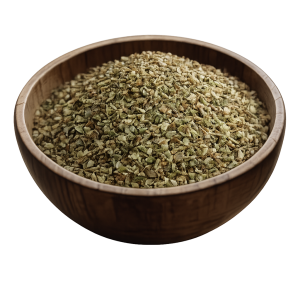
Dried Peas

Category:

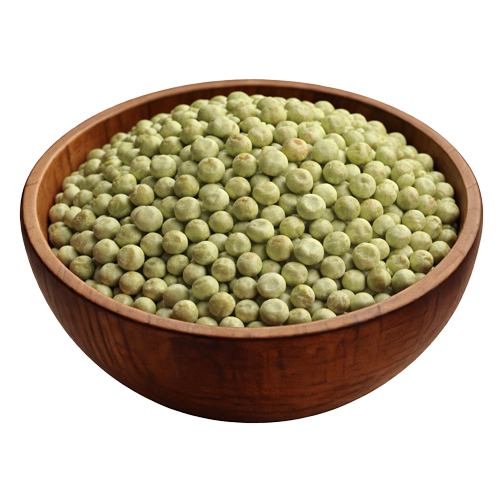
Dried peas are a type of legume commonly used in cooking.

Dried peas come in various forms:

  1. Whole Dried Peas: These retain their outer skin and are often green or yellow. They require soaking before cooking.
  2. Split Peas: The outer skin is removed, and the pea is split in half. They cook faster and do not require soaking.
Nutrient

Amount per 100 g

Calories

341 kcal

Protein

25 g

Total Fat

1.2 g

Carbohydrates

60 g

Fiber

25 g

Sugars

5 g

Vitamin A

38 IU

Vitamin C

1 mg

Vitamin B6

0.3 mg

Folate

274 µg

Calcium

64 mg

Iron

4.8 mg

Magnesium

115 mg

Potassium

986 mg

Phosphorus

366 mg

Nutritional Benefits:

  • High in protein and fiber.
  • Rich in vitamins like B1 (thiamine) and minerals such as potassium and iron.
  • Low in fat and calories.

Common Uses:

  • Soups, such as split pea soup.
  • Curries and stews.
  • Purées and dips.

Cooking Tips:

  • Whole peas should be soaked for 6-8 hours before cooking to reduce cooking time.
  • Split peas generally cook in 30-45 minutes without soaking.
  • Add salt or acidic ingredients (like tomatoes) after they’ve softened to avoid toughening.
Applications


  1. Food and Beverage Industry
  • Flour Production: Dried peas are ground into pea flour, which is gluten-free and used in baked goods, snacks, and pasta.
  • Plant-based Protein: Extracted pea protein is used in meat substitutes, protein bars, and shakes.
  • Pea Starch: Employed as a thickening agent in soups, sauces, and desserts.
  • Snack Production: Roasted peas or pea-based chips are popular healthy snack options.
  • Purees and Soups: Used in soups, baby foods, or as thickening agents.
  1. Animal Feed
  • Livestock Feed: Rich in protein, dried peas are a cost-effective ingredient in feed for cattle, poultry, and pigs.
  • Pet Food: Used as a protein source in premium pet food products.
  1. Industrial Applications
  • Bioplastics: Pea starch can be utilized in manufacturing biodegradable plastics.
  • Adhesives: Pea-derived starch is used in making eco-friendly adhesives.
  • Textile Industry: Pea proteins can be part of coatings or finishes for textiles.
  1. Cosmetics and Pharmaceuticals
  • Skin Care Products: Pea peptides are included in anti-aging and moisturizing formulations.
  • Dietary Supplements: Pea protein is a popular ingredient in vegan or plant-based supplements.
  1. Agriculture and Sustainability
  • Soil Fertility: Pea residues, rich in nitrogen, are used as organic fertilizers or compost material.
  • Aquaculture: Pea protein serves as a sustainable alternative to fishmeal in fish feed.