

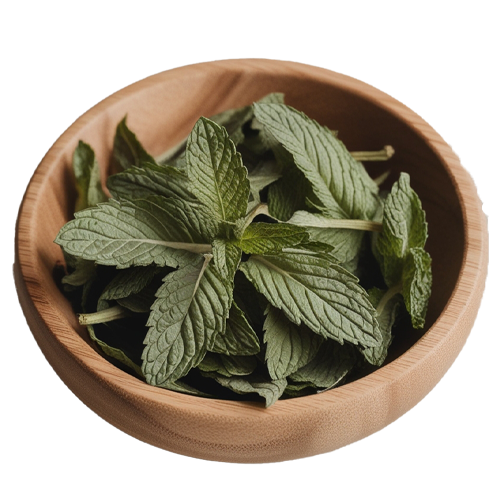
Dried Mint
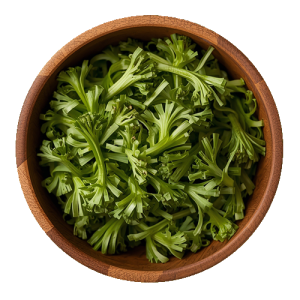
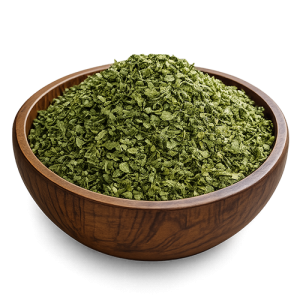
Dried Mint refers to mint leaves that have been dehydrated, preserving the herb’s flavor, aroma, and beneficial properties. It is often used in both culinary and medicinal applications, as well as in aromatherapy.
| Nutrient |
Amount per 100 g |
|---|---|
| Calories |
286 kcal |
| Protein |
6 g |
| Total Fat |
4 g |
| Saturated Fat |
0.5 g |
| Carbohydrates |
75 g |
| Dietary Fiber |
60 g |
| Sugars |
1-2 g |
| Vitamin A |
4,500–5,000 IU (important for vision and immune health) |
| Vitamin C |
50 mg (supports immunity, skin health, and iron absorption) |
| Vitamin K |
300 mcg (important for blood clotting and bone health) |
| Folate |
120 mcg (important for cell division and DNA synthesis) |
| Vitamin B6 |
0.4–0.5 mg (supports metabolism and brain function) |
| Calcium |
250 mg (supports bone health) |
| Iron |
10-15 mg (supports oxygen transport and metabolism) |
| Magnesium |
100 mg (important for muscle and nerve function) |
| Zinc |
1-2 mg (supports immune function and cell repair) |
Dried Mint refers to mint leaves that have been dehydrated, preserving the herb’s flavor, aroma, and beneficial properties. It is often used in both culinary and medicinal applications, as well as in aromatherapy. While fresh mint has a bright and crisp flavor, dried mint has a more concentrated, slightly earthy and aromatic profile. Dried mint can be used in cooking, teas, skin care, and other health-related uses.
- Culinary Applications:
Dried mint is a versatile herb that can be used in a variety of culinary dishes, adding an aromatic, cool, and refreshing flavor. Its concentrated flavor makes it ideal for dishes that require longer cooking times or marinating.
- Teas: Dried mint is commonly used to make mint tea, which is both soothing and refreshing. It can be used on its own or combined with other herbs like chamomile or lemon balm.
- Middle Eastern and Mediterranean Cuisine: Dried mint is often used in Middle Eastern and Mediterranean dishes, such as in tabbouleh, yogurt dips (like tzatziki), or lamb dishes. It is often paired with cucumbers and tomatoes in salads or served with rice pilafs.
- Sauces and Dressings: Dried mint is used in sauces such as mint chutney or mint sauce, typically served with meat or as a side to vegetables. It can also be added to vinaigrettes for salads or drizzled over roasted vegetables.
- Baked Goods: In some cultures, dried mint is used in baked goods such as cookies, cakes, or pastries. It pairs well with chocolate, nuts, or fruit flavors.
- Desserts: Dried mint can be sprinkled over desserts such as chocolate mousse, ice cream, or panna cotta to add a refreshing contrast to sweet flavors.
- Seasonings and Spice Blends: Dried mint can be mixed into spice blends, such as ras el hanout, garam masala, or za’atar, and can be used in marinades, rubs, and stews.
- Smoothies and Beverages: Dried mint can be rehydrated and added to smoothies, juices, or cocktails like mojitos, mint juleps, or lemonade for a refreshing herbal note.
- Medicinal and Health Uses:
- Digestive Health: Dried mint is commonly used in herbal teas to relieve digestive discomfort, reduce bloating, and soothe indigestion. Drinking mint tea after a meal can aid digestion and help prevent acid reflux.
- Relieving Headaches and Migraines: Mint, especially in the form of tea or essential oil, is often used to relieve headaches and migraines. The menthol in mint helps increase blood circulation, which can alleviate pain.
- Soothing Respiratory Issues: Dried mint is beneficial for treating respiratory conditions such as colds, coughs, and sinus congestion. Menthol helps open up the airways and relieves symptoms of congestion. Drinking mint tea or inhaling steam with dried mint can provide relief.
- Stress and Anxiety Relief: The menthol in mint has a calming effect that can help reduce stress and anxiety. Drinking mint tea or inhaling mint vapor can promote relaxation and calm the mind.
- Anti-nausea: Mint is known to be an effective remedy for nausea, whether it’s from motion sickness, morning sickness, or a general upset stomach. Drinking mint tea or chewing on dried mint leaves can provide relief.
- Anti-inflammatory: The anti-inflammatory properties of mint make it useful in treating conditions like irritable bowel syndrome (IBS), arthritis, and muscle pain. Applying mint oil topically or consuming mint-infused products can help reduce inflammation in the body.
- Aromatherapy:
- Mint Essential Oil: The essential oil of mint (derived from both fresh and dried mint leaves) is used in aromatherapy to invigorate the senses, improve mental clarity, and reduce stress and anxiety. It can also be used in diffusers or applied topically (diluted) for its cooling and calming effect.
- Mental Clarity: The scent of mint is thought to stimulate the mind and improve cognitive function. It can be used to enhance focus, alertness, and concentration, making it ideal for study or work environments.
- Skin Care:
- Acne Treatment: Due to its antibacterial and anti-inflammatory properties, dried mint can be used in skincare products to help treat acne and skin irritations. Mint extracts are often included in toners and face masks to clear blemishes and reduce inflammation.
- Cooling Effect for Irritation: Mint can be applied to the skin to relieve irritation caused by sunburn, rashes, or insect bites. The menthol in mint has a cooling effect that can reduce redness and soothe the skin.
- Anti-aging Properties: Mint is rich in antioxidants, which help fight free radical damage and reduce signs of aging such as wrinkles and fine lines. Mint extracts are sometimes found in anti-aging creams and lotions.
- Natural Pest Repellent:
- Repelling Insects: Mint, particularly its essential oil, is known to repel insects such as mosquitoes, ants, and cockroaches. Dried mint leaves can be placed in cupboards, drawers, or around the house to deter pests.
- Insect Repellent Spray: You can make a homemade insect repellent by steeping dried mint leaves in water and spraying the liquid around the house or on your skin to keep insects at bay.
Leeks, both fresh and dried, have been traditionally used for their medicinal properties in folk medicine. While not as commonly used in modern herbalism, they still offer several health benefits:
- Digestive Aid:
Leeks are known to support digestion due to their high fiber content. Dried leek tea can be consumed to help ease indigestion, reduce bloating, and promote healthy bowel movements.
- Immune System Support:
The vitamin C and flavonoids in leeks support immune function, helping to protect the body against infections and illnesses. Drinking leek broth or tea may provide additional immune support.
- Antioxidant and Anti-inflammatory Effects:
The antioxidants in leeks, including kaempferol and quercetin, have anti-inflammatory and antioxidant properties that can help reduce oxidative stress and inflammation in the body. This makes leeks beneficial for conditions like arthritis or other inflammatory diseases.
- Heart Health:
The combination of fiber, potassium, and antioxidants in leeks can help improve cardiovascular health by supporting healthy blood pressure levels, lowering cholesterol, and improving circulation.
- Detoxification:
Leeks are thought to help with the body’s natural detoxification processes, supporting liver function and helping to remove toxins. Leek broth or soup is often consumed as a detoxifying food.