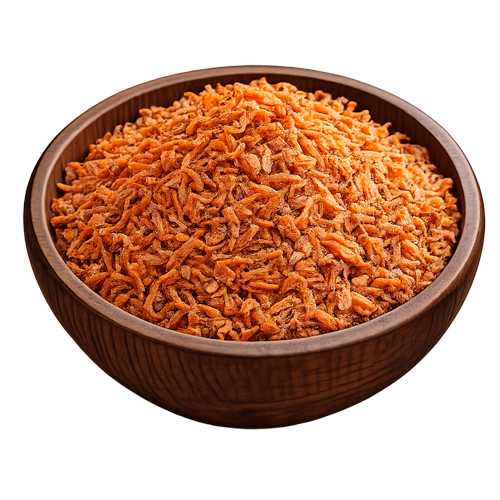
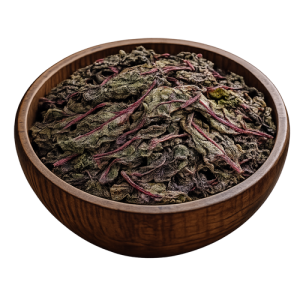
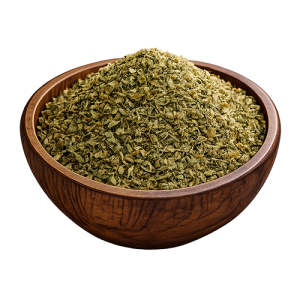
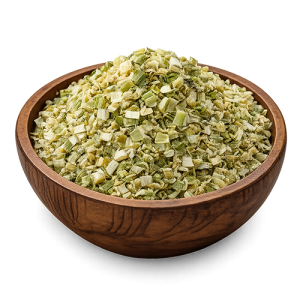
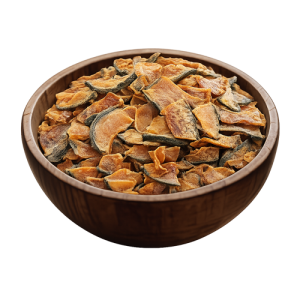
Dried carrot refers to fresh carrots that have been dehydrated to remove moisture, preserving their nutrients and extending their shelf life. They are commonly used in soups, stews, snacks, or as ingredients in various recipes.
Nutrient
Amount per 100 g
Calories
340 kcal
Protein
7.8 g
Total Fat
1 g
Saturated Fat
0.2 g
Carbohydrates
78 g
Sugars
45 g
Dietary Fiber
25 g
Vitamin A
~17190 IU (significant amount, due to high beta-carotene content)
Vitamin C
4.8 mg
Calcium
158 mg
Iron
2.5 mg
Magnesium
150–200 mg (supports muscle and nerve function)
Sodium
150 mg
Drying Methods:
Air Drying: Sun or shade drying, slower but natural.
Oven Drying: Low temperature (50-60°C) with consistent monitoring.
Dehydrator: The most efficient and even method.
Freeze-Drying: Preserves flavor and nutrients best.
Applications
Food Industry
Soups and Stews: Rehydrated dried carrots are used in instant soup mixes and ready-to-cook meals.
Snacks: Incorporated into trail mixes or powdered for seasoning.
Baking: Added to muffins, bread, or cakes for flavor and nutrition.
Spices and Seasonings: Ground into carrot powder for use as a natural coloring or flavoring agent.
Baby Food: Rehydrated or powdered carrots are used in purees.
Pet Food: Commonly used as an ingredient in pet food due to its high nutritional value.
Cosmetics and Skincare
Face Masks and Creams: Dried carrot powder, rich in vitamins A and C, is used for its antioxidant properties.
Natural Colorants: Added to soaps, lotions, and lip balms for natural pigmentation.
Pharmaceuticals and Nutraceuticals
Dietary Supplements: Carrot powder is included in capsules and powders for its beta-carotene and vitamin content.
Functional Foods: Used as an ingredient in health drinks and bars for added nutrition.
Animal Feed
Used as an additive in feed for livestock and poultry, providing essential vitamins and nutrients.
Natural Dyes
Ground dried carrots can be used as a natural orange dye for textiles or foods.
Fermentation and Extraction
Bioactive Compounds: Dried carrots can be processed to extract beta-carotene and other antioxidants.
Fermented Products: Utilized in creating probiotics or fermented carrot products.
Uses
Culinary:
Rehydrated in soups, sauces, or casseroles.
Used as a topping for salads or baked goods.
Ground into carrot powder for baking or smoothies.
Snacks:
Eaten as chips when seasoned and dried.
Health:
Retains a high concentration of beta-carotene, fiber, and antioxidants.