

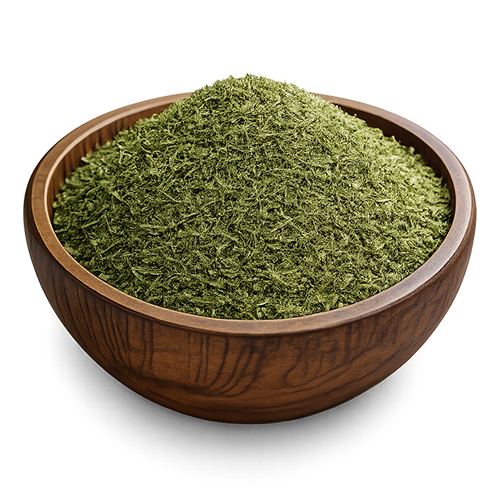
Dried Dill
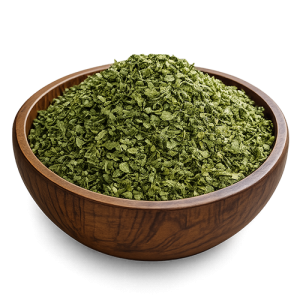
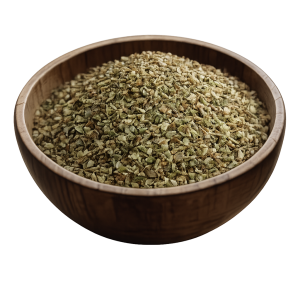
Dried dill is a popular herb that has been dehydrated to preserve its flavor, aroma, and nutritional benefits. Dill (Anethum graveolens) is often used in cooking to add a fresh, tangy, and slightly sweet flavor, especially in dishes like pickles, salads, fish dishes, and soups.
Dried dill is a popular herb that has been dehydrated to preserve its flavor, aroma, and nutritional benefits. Dill (Anethum graveolens) is often used in cooking to add a fresh, tangy, and slightly sweet flavor, especially in dishes like pickles, salads, fish dishes, and soups. When dried, dill’s flavor becomes more concentrated, and it can be used as a versatile ingredient in various culinary applications./Dried dill is a popular herb that has been dehydrated to preserve its flavor, aroma, and nutritional benefits. Dill (Anethum graveolens) is often used in cooking to add a fresh, tangy, and slightly sweet flavor, especially in dishes like pickles, salads, fish dishes, and soups. When dried, dill’s flavor becomes more concentrated, and it can be used as a versatile ingredient in various culinary applications.
| Nutrient |
Amount per 100 g |
|---|---|
| Calories |
290-300 kcal |
| Protein |
5-6 g |
| Total Fat |
6-7 g |
| Saturated Fat |
1-1.5 g |
| Carbohydrates |
55-60 g |
| Dietary Fiber |
40-45 g |
| Sugars |
2-3 g |
| Vitamin A |
2,500–3,000 IU |
| Vitamin C |
50–60 mg |
| Vitamin K |
400–500 mcg |
| Folate |
60–70 mcg |
| Calcium |
700–900 mg |
| Iron |
15–20 mg |
| Magnesium |
200–250 mg |
| Sodium |
50–70 mg |
Dried dill is a popular herb that has been dehydrated to preserve its flavor, aroma, and nutritional benefits. Dill (Anethum graveolens) is often used in cooking to add a fresh, tangy, and slightly sweet flavor, especially in dishes like pickles, salads, fish dishes, and soups. When dried, dill’s flavor becomes more concentrated, and it can be used as a versatile ingredient in various culinary applications./Dried dill is a popular herb that has been dehydrated to preserve its flavor, aroma, and nutritional benefits. Dill (Anethum graveolens) is often used in cooking to add a fresh, tangy, and slightly sweet flavor, especially in dishes like pickles, salads, fish dishes, and soups. When dried, dill’s flavor becomes more concentrated, and it can be used as a versatile ingredient in various culinary applications.
Key Nutrients:
- High in Vitamin K: Dried dill is an excellent source of Vitamin K, which plays a crucial role in bone health and blood clotting.
- Rich in Fiber: Dried dill is high in dietary fiber, which supports digestion and helps maintain healthy cholesterol levels.
- Mineral Content: Dill contains notable amounts of calcium, iron, magnesium, and potassium, which are important for bone health, muscle function, and overall metabolic processes.
- Low in Calories: Despite its nutrient density, dried dill is relatively low in calories, making it a good addition to a calorie-conscious diet.
- Flavoring for Dips and Sauces
- Tzatziki Sauce: Dried dill can be used in the preparation of tzatziki, a Greek yogurt-based sauce.
- Ranch dressing: Dill is a key ingredient in ranch dressing and dip mixes, whether homemade or pre-packaged.
- Mayonnaise or aioli: Add dried dill to mayonnaise or aioli for extra flavor, often used on sandwiches, burgers, or as a dip.
- Soups and Stews
Dill works well in creamy soups (like potato or cucumber soup) or in hearty stews. Simply sprinkle in some dried dill while the soup or stew simmers.
- Seasoning for Fish
Dill is a classic herb for seasoning fish dishes, especially salmon and trout. Mix it into the seasoning blend or sprinkle it over the fish before cooking.
- Pickling
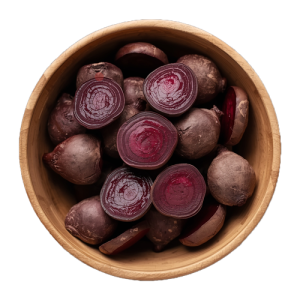
Dill is a primary herb used in pickling. Dried dill can be used in homemade pickling brines for cucumbers, carrots, beets, and other vegetables.
- Salads
Dried dill can be used in green salads, potato salad, or pasta salad for an added layer of flavor.
- Herb Blends
Combine dried dill with other dried herbs like thyme, oregano, and basil to create seasoning blends for bread, roasted vegetables, or pasta dishes.
- Bread and Baked Goods
Dried dill can be incorporated into bread dough, especially in savory breads or flatbreads, providing a distinct flavor.
- Cooking Grains or Rice
Add dried dill to cooking water for rice, quinoa, couscous, or other grains to infuse them with a subtle herby flavor.
- Tea
Dill can be used in herbal teas, either on its own or blended with other herbs like mint or chamomile, for a soothing, aromatic drink.