

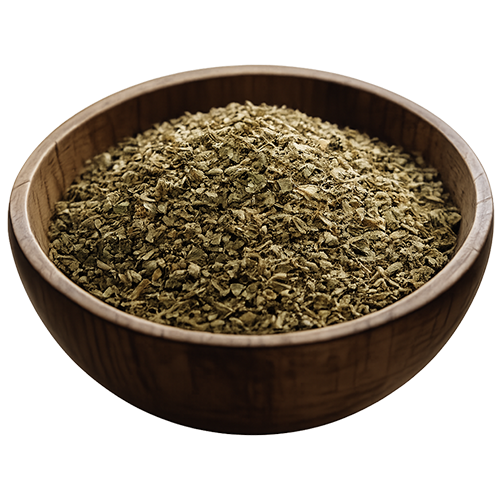
Dried Basil
Dried basil is a concentrated source of the nutrients found in fresh basil, and it provides a substantial amount of fiber, vitamins, and minerals in small amounts due to its concentrated nature.
| Nutrient |
Amount per 100 g |
|---|---|
| Calories |
251 kcal |
| Protein |
22 g |
| Total Fat |
4 g |
| Saturated Fat |
0.5 g |
| Carbohydrates |
58 g |
| Dietary Fiber |
40 g |
| Sugars |
0.5 g |
| Vitamin A |
5,000–7,000 IU (important for vision and immune function) |
| Vitamin C |
50 mg (supports immunity, skin health, and iron absorption) |
| Vitamin K |
380 mcg (important for blood clotting and bone health) |
| Folate |
250 mcg (important for cell growth and DNA synthesis) |
| Vitamin B6 |
0.3–0.5 mg (supports brain function and metabolism) |
| Calcium |
1,500 mg (supports bone health) |
| Iron |
30 mg (important for oxygen transport in the blood) |
| Magnesium |
220 mg (important for muscle and nerve function) |
| Zinc |
3 mg (supports immune function and enzyme activities) |
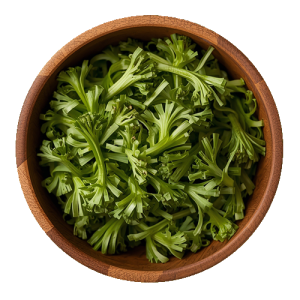
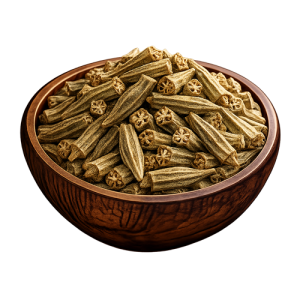
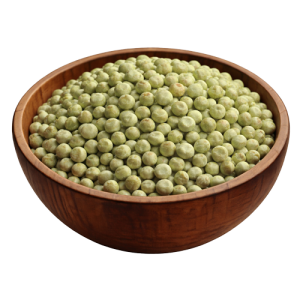
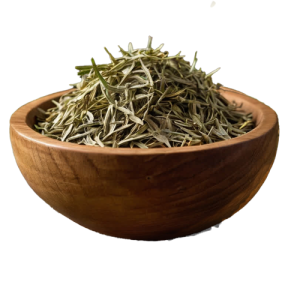
Dried Basil (Ocimum basilicum) is the dehydrated form of fresh basil, a fragrant herb that is a staple in many cuisines, particularly in Mediterranean, Italian, and Southeast Asian dishes. Dried basil retains much of its aromatic qualities, though its flavor is more concentrated compared to fresh basil, which has a milder, peppery taste with hints of mint and cloves. Dried basil is an excellent way to preserve the herb for long-term use and provides a convenient option for seasoning when fresh basil is unavailable.
-
- Culinary Applications:
Dried basil is a versatile herb used in many dishes. While it doesn't have the fresh, bright flavor of fresh basil, it provides a concentrated, slightly earthy taste that enhances a variety of foods:
- Italian and Mediterranean Cuisine: Dried basil is an essential ingredient in Italian dishes such as tomato sauce, pizza, and pasta dishes like pasta marinara or pesto (although fresh basil is typically used for pesto). It’s also a key herb in Mediterranean recipes like Greek salads and Baked Eggplant Parmesan.
- Soups and Stews: Dried basil works well in soups and stews, especially in tomato-based soups, minestrone, or vegetable soups. Its concentrated flavor infuses the broth, adding depth to the dish.
- Herb Blends: Dried basil is often part of herb blends such as Italian seasoning, Herbes de Provence, and pizza seasoning. It can be used to flavor marinades, dressings, and sauces.
- Meat Dishes: Dried basil complements meat dishes, especially those with chicken, lamb, or pork. It pairs well with roasted or grilled meats, either as part of a rub or in a marinade.
- Vegetable Dishes: Dried basil can be sprinkled on roasted vegetables, especially tomatoes, zucchini, eggplant, or potatoes. It enhances the overall flavor profile of the dish.
- Rice and Grains: You can sprinkle dried basil over rice or quinoa to add a fresh, herbal note to grain-based dishes.
- Salsa and Dips: Dried basil can be used in salsas, pico de gallo, or other dips where a herbal flavor is desired but fresh basil may not be available.
- Medicinal and Health Uses:
- Anti-inflammatory: The essential oils in basil, especially eugenol, have natural anti-inflammatory properties. This can help with conditions such as arthritis, inflammatory bowel disease, or general muscle inflammation.
- Digestive Aid: Basil has been used as a traditional remedy for digestive discomforts, such as indigestion, bloating, and stomach cramps. It can also help stimulate the appetite and relieve nausea.
- Antibacterial and Antifungal: Basil has mild antibacterial and antifungal properties, and is sometimes used as a natural remedy for treating infections and preventing bacterial growth in the body.
- Adaptogenic Properties: Basil is considered an adaptogen, which means it may help the body adapt to stress and promote a sense of calm. It’s often used in Ayurvedic medicine to help with fatigue, anxiety, and stress relief.
- Cholesterol and Blood Sugar Management: Some studies suggest that basil may help reduce cholesterol levels and stabilize blood sugar levels, making it beneficial for those at risk of cardiovascular disease or diabetes.
- Aromatherapy:
- Essential Oil: Basil essential oil (which can be derived from both fresh and dried basil) is used in aromatherapy for its calming and invigorating properties. It can help reduce mental fatigue, ease tension, and promote mental clarity. It is also used to alleviate headaches, improve focus, and ease symptoms of anxiety and stress.
- Inhalation: Basil essential oil can be diffused in a room to improve focus and uplift mood. It's also sometimes added to bathwater or used in steam inhalations to support respiratory health.
- Skin Care:
- Acne Treatment: Due to its antibacterial properties, basil can be used in topical applications to help prevent and treat acne. Basil extracts or basil oil is often included in natural skin care products designed to fight acne and oily skin.
- Anti-aging: The antioxidants in basil help combat free radical damage and may help prevent the premature signs of aging, such as wrinkles and fine lines. Basil extracts are sometimes found in creams and lotions that claim to promote youthful skin.
- Natural Pest Repellent:
- Insect Repellent: Basil is believed to repel certain insects, including mosquitoes. Dried basil leaves can be placed in drawers, closets, or outdoor spaces to help keep insects away. You can also use basil essential oil in a homemade insect-repellent spray.