

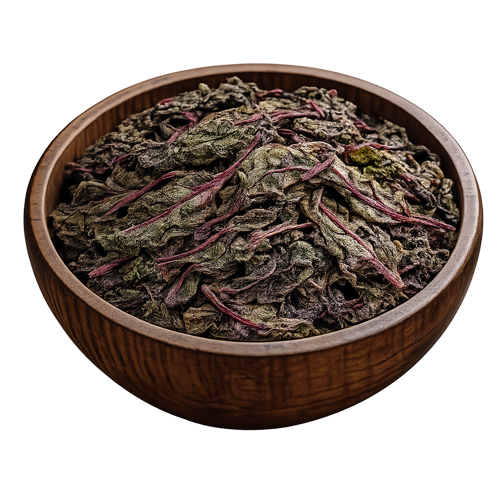
Dried Beetroot Leaves
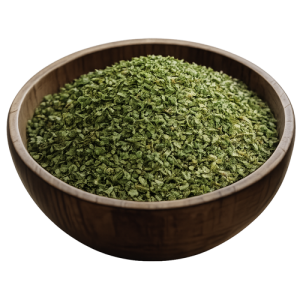
Dried beetroot leaves are the dehydrated leaves of the beetroot plant (Beta vulgaris), often considered a by-product of beetroot harvesting.
| Nutrient |
Amount per 100 g |
|---|---|
| Calories |
300-350 kcal |
| Total Fat |
4–6 g |
| Saturated Fat |
0.5–1 g |
| Carbohydrates |
50-55 g |
| Dietary Fiber |
30-35 g |
| Sugars |
3-5 g |
| Calcium |
200–250 mg (important for bone health) |
| Iron |
10–15 mg (important for oxygen transport in the blood) |
| Magnesium |
150–200 mg (supports muscle and nerve function) |
| Sodium |
15–30 mg (typically low in sodium) |
| Vitamin A |
6,000–9,000 IU (important for eye health and immune function) |
| Vitamin C |
40–50 mg (helps boost immunity and skin health) |
| Vitamin K |
800–1,000 mcg (important for blood clotting and bone health) |
| Folate |
100–150 mcg (supports cell growth and DNA synthesis) |
Dried beetroot leaves are the dehydrated leaves of the beetroot plant (Beta vulgaris), often considered a by-product of beetroot harvesting. These leaves, while often discarded in commercial farming, are packed with nutrients and can be dried for long-term storage and later use. When dried, beetroot leaves retain a significant amount of their nutritional value and can be used in a variety of applications, both in food and non-food products.
-
- Culinary Applications
- Herbal Teas: Dried beetroot leaves can be steeped in hot water to make a herbal tea. The leaves have a mild, earthy flavor with a slightly sweet undertone, and when dried, they can be stored and used to make refreshing and nutrient-packed tea blends.
- Seasoning and Spices: When ground into a powder, dried beetroot leaves can be added to spice mixes or herb blends. The powder can be used to season soups, stews, or salads, or to sprinkle over grains like rice and quinoa.
- Smoothie Additives: Dried beetroot leaves can be ground into a fine powder and added to smoothies for an extra boost of vitamins, minerals, and fiber. It pairs well with other leafy greens like spinach or kale.
- Soup Bases and Broths: Rehydrated dried beetroot leaves can be added to vegetable or meat broths, giving them a nutritional boost and an earthy flavor.
- Salads and Garnishes: After rehydrating the dried leaves, they can be used in salads, giving the dish added texture and nutritional value.
- Pasta, Pizza, and Breads: Beetroot leaf powder can be incorporated into pasta dough, pizza crusts, or bread recipes, giving them both flavor and a rich green color.
- Smoothie and Protein Bars: Dried beetroot leaves in powdered form can be used to enhance the nutritional profile of homemade energy bars, protein bars, or granola bars.
- Animal Feed and Livestock Nutrition
- Pet Food: Dried beetroot leaves can be used as a supplement in pet food, particularly for herbivores like rabbits, guinea pigs, and certain birds. They offer additional fiber and micronutrients.
- Livestock Feed: In agriculture, dried beetroot leaves can be added to feed for livestock such as goats, cows, or poultry. They are a good source of plant-based nutrients and fiber that can benefit animal health.
- Natural Health Supplements
- Herbal Supplements: Dried beetroot leaves can be used as a raw material for herbal supplements, especially those that focus on providing essential vitamins and minerals. They are often combined with other superfoods in capsule or tablet form for digestive health, detoxification, and overall well-being.
- Detox Teas: Dried beetroot leaves can be included in detox tea blends for their purported liver-cleansing properties, helping to support detoxification processes in the body.
- Anti-inflammatory and Antioxidant Supplements: Given the high levels of antioxidants in beetroot leaves, they can be used in supplements aimed at reducing inflammation and fighting oxidative stress.
- Natural Colorant for Foods
- Natural Food Coloring: The green color of dried beetroot leaves can be extracted and used as a natural food colorant. The chlorophyll and other pigments in the leaves can be utilized in the food industry to provide green coloring for products like candies, baked goods, or pasta.
- Cosmetics and Personal Care
- Skin Care Products: The high levels of antioxidants, vitamins, and minerals in dried beetroot leaves make them a valuable ingredient in skincare products. They can be processed into a powder and used in face masks, creams, lotions, or scrubs to help nourish the skin and promote a healthy complexion.
- Hair Care: Beetroot leaf powder can be added to shampoos and conditioners to promote healthy hair and scalp. The nutrients may help improve hair texture and shine.
- Aromatherapy: While not as common, essential oils or infusions made from beetroot leaves might be used for their supposed calming and anti-inflammatory properties.
- Fertilizer and Composting
- Composting: Dried beetroot leaves can be added to compost bins or piles, where they break down and provide valuable nutrients to enrich the soil.
- Natural Fertilizer: Due to their nutrient content, dried beetroot leaves can be turned into a natural fertilizer that helps improve soil fertility and provides plants with essential nutrients.
- Medicinal and Traditional Uses
- Beetroot leaves have traditionally been used in herbal medicine for their potential digestive benefits, including improving appetite, reducing bloating, and enhancing nutrient absorption.
- Blood Health: Given their high iron content, beetroot leaves are sometimes used in natural remedies aimed at supporting blood health or preventing anemia.