

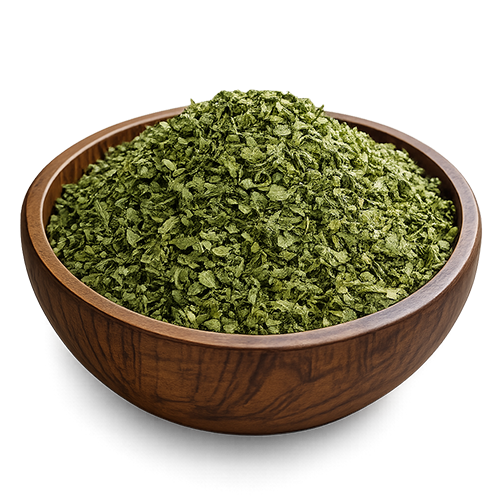
Dried Cilantro
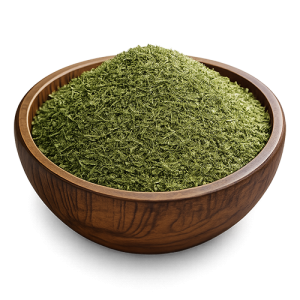
Dried Cilantro (Coriandrum sativum) refers to the dehydrated form of the cilantro herb, which is commonly used in cooking, especially in Latin American, Indian, and Middle Eastern cuisines.
| Nutrient |
Amount per 100 g |
|---|---|
| Calories |
298 kcal |
| Protein |
12-15 g |
| Total Fat |
7 g |
| Saturated Fat |
1-1.5 g |
| Carbohydrates |
55-60 g |
| Dietary Fiber |
40-45 g |
| Sugars |
2-3 g |
| Vitamin A |
7,000–9,000 IU (important for vision and immune function) |
| Vitamin C |
27 mg (supports immunity, skin health, and iron absorption) |
| Vitamin K |
800 mcg (important for blood clotting and bone health) |
| Folate |
130 mcg (important for cell division and DNA synthesis) |
| Vitamin B6 |
0.3 mg (supports brain function and metabolism) |
| Calcium |
300 mg (supports bone health) |
| Iron |
10 mg (important for oxygen transport in the blood) |
| Magnesium |
60–80 mg (important for muscle and nerve function) |
| Zinc |
1–2 mg (supports immune function) |
Dried Cilantro (Coriandrum sativum) refers to the dehydrated form of the cilantro herb, which is commonly used in cooking, especially in Latin American, Indian, and Middle Eastern cuisines. The cilantro plant consists of both its leaves and seeds, with the dried leaves typically known as dried cilantro, while the seeds are referred to as coriander seeds. Dried cilantro offers a way to preserve the flavor of fresh cilantro for long-term storage and use.
- Culinary Applications:
Dried cilantro has a different flavor profile compared to fresh cilantro, with a more subtle, earthy, and less pungent taste. While fresh cilantro is often used as a garnish, dried cilantro is usually incorporated into dishes where it has time to infuse its flavor. Here are common ways to use dried cilantro:
- Seasoning for Meats: Dried cilantro is often used in seasoning blends for meats, particularly in Mexican, Indian, Middle Eastern, and Caribbean cuisines. It works well in rubs and marinades for chicken, lamb, beef, or pork.
- Soups and Stews: Add dried cilantro to soups, curries, or stews for a burst of flavor. It works well in both tomato-based soups and broths or spicy Indian dishes.
- Rice and Grains: Dried cilantro can be mixed into rice dishes or grain salads, especially in Latin or Middle Eastern recipes. It’s often paired with cumin, garlic, and onions for flavorful pilafs and rice dishes.
- Salsas and Sauces: While fresh cilantro is more commonly used in salsas and dips, dried cilantro can be incorporated into cooked salsas, sauces, or chutneys to deepen the flavor.
- Vegetable Dishes: Sprinkle dried cilantro on roasted vegetables or stir it into vegetable stews, soups, and casseroles for a fresh herbal flavor.
- Herb Blends: Dried cilantro is commonly included in spice blends such as garam masala, taco seasoning, and cajun seasoning. It also pairs well with other herbs like cumin, parsley, and thyme.
- Salads and Dressings: You can add dried cilantro to vinaigrettes or salad dressings. It’s often used in tangy, lime-based dressings for Mexican or Mediterranean-inspired salads.
- Medicinal and Health Uses:
- Digestive Health: Cilantro has traditionally been used to aid digestion and alleviate gastrointestinal discomfort. It can help with bloating, indigestion, and gas.
- Detoxification: Cilantro is known for its ability to promote the excretion of heavy metals from the body, particularly mercury and lead. It is often included in detoxification protocols.
- Blood Sugar Regulation: Some studies suggest that cilantro may help in regulating blood sugar levels, making it beneficial for people with diabetes or those at risk.
- Antioxidant Support: The antioxidants in dried cilantro may help fight oxidative stress in the body and reduce the risk of diseases related to free radical damage, such as cancer and heart disease.
- Anti-inflammatory: Cilantro’s anti-inflammatory properties may help reduce symptoms of conditions like arthritis, joint pain, or even skin inflammation.
- Cholesterol Management: Cilantro may assist in lowering bad cholesterol (LDL) and improving overall lipid profiles, contributing to heart health.
- Natural Remedies:
- Cilantro Tea: Dried cilantro can be steeped in hot water to make a detoxifying tea. It may help with digestion, reduce anxiety, and aid in sleep. Add honey or lemon to taste.
- Cilantro Oil: Cilantro oil (which can be made from dried cilantro leaves) has antimicrobial properties and is sometimes used in natural skin care to help with acne and irritation.
- Cilantro Infused Water: Some people make cilantro-infused water, which is thought to have detoxifying benefits, especially for heavy metal detoxification.
- Aromatherapy:
- Essential Oils: Cilantro essential oil, derived from both the leaves and seeds, is sometimes used in aromatherapy for its calming effects. It can also be used in massage oils for its potential to reduce inflammation and pain.
- Skin Care: The antibacterial and antioxidant properties of cilantro oil may make it useful for acne treatment or for soothing irritated skin. It can be mixed into homemade lotions or applied in diluted form to the skin.
- Insect Repellent:
- Cilantro's Aroma: Cilantro has a strong, distinct aroma that may help repel insects. While it is not as powerful as some other natural repellents, it can be used in homemade sprays or placed in areas to deter mosquitoes or other pests.