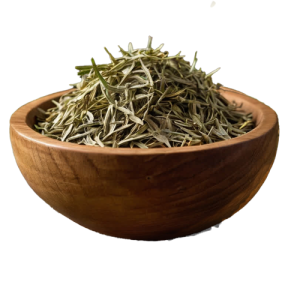


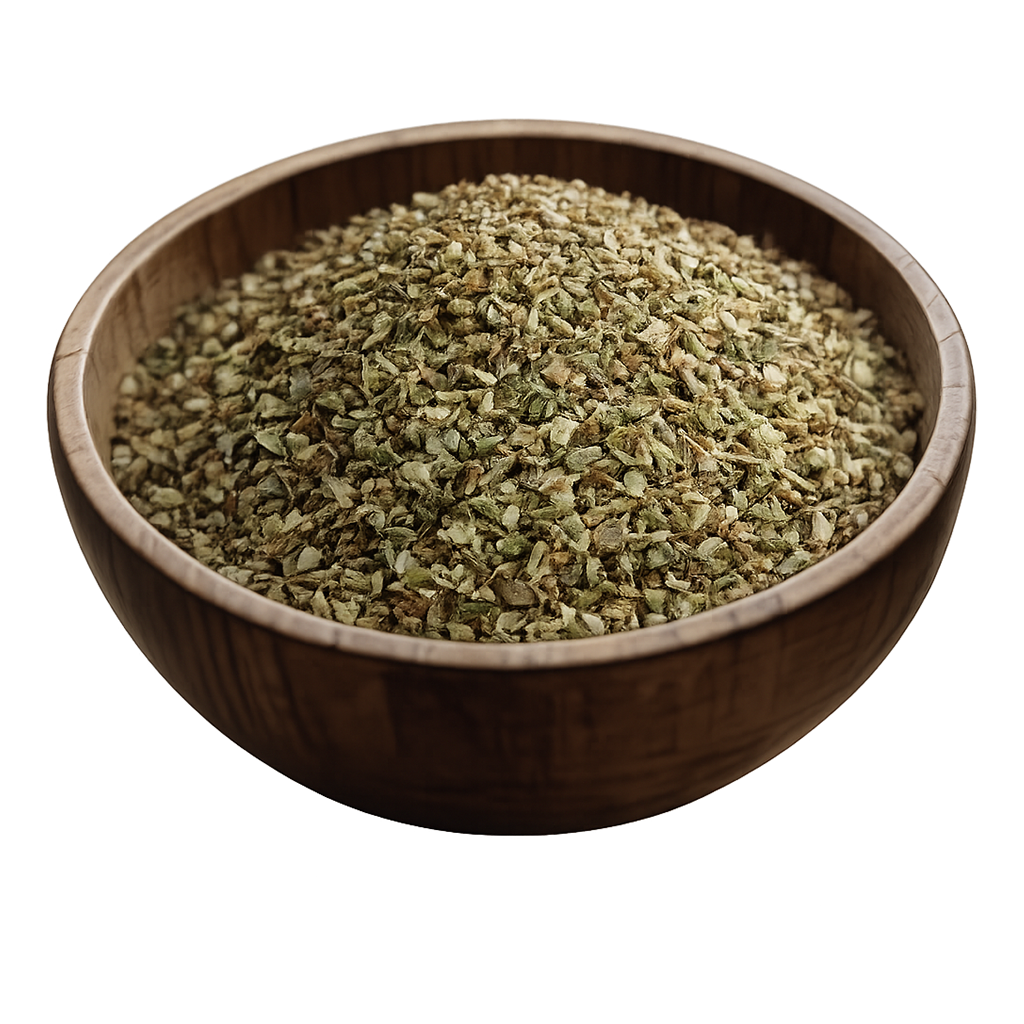
Dried Oregano
Dried oregano retains much of the flavor and medicinal properties of fresh oregano, but in a more concentrated form. It is a pantry essential for many home cooks, providing convenience without sacrificing flavor in a variety of dishes.
| Nutrient |
Amount per 100 g |
|---|---|
| Calories |
265 kcal |
| Protein |
9 g |
| Total Fat |
4.3 g |
| Saturated Fat |
0.5 g |
| Carbohydrates |
64 g |
| Fiber |
42.5 g |
| Sugars |
0 g |
| Vitamin A |
2,500 IU (important for vision, immune system, and skin health) |
| Vitamin C |
50 mg (boosts immune health, aids collagen production) |
| Vitamin K |
62 mcg (essential for blood clotting and bone health) |
| Folate |
150 mcg (important for cell growth and DNA synthesis) |
| Vitamin E |
3.3 mg (acts as an antioxidant to protect cells) |
| Vitamin B6 |
0.2 mg (supports metabolism and brain health) |
| Calcium |
1,500 mg (supports bone health and muscle function) |
| Iron |
43.2 mg (important for oxygen transport in the blood) |
| Magnesium |
270 mg (helps with muscle and nerve function) |
| Potassium |
1,500 mg (helps with fluid balance and blood pressure regulation) |
| Zinc |
4.2 mg (supports immune function) |
Dried Oregano is the dehydrated form of the oregano herb (Origanum vulgare), a staple in many cuisines, especially in Mediterranean, Italian, Mexican, and Middle Eastern cooking. Oregano has a strong, aromatic flavor with a slightly bitter, peppery taste and is often used to season meats, sauces, soups, and vegetables.
- Sauces and Condiments:
- Tomato Sauce: Dried oregano is a key ingredient in marinara or tomato sauce for pasta, pizza, and other Italian dishes.
- Vinaigrette: Add dried oregano to salad dressings and vinaigrettes to bring a herby, zesty flavor.
- Pesto: Use oregano in pesto sauce, along with basil, garlic, pine nuts, and Parmesan cheese.
- Meat and Poultry:
- Roasted or Grilled Meats: Dried oregano pairs well with lamb, beef, chicken, and pork. It can be sprinkled over meats before roasting or grilling, or added to marinades for flavor.
- Souvlaki and Gyros: In Greek cuisine, dried oregano is often used to season souvlaki and gyros meats, giving them their signature flavor.
- Mediterranean and Middle Eastern Dishes:
- Greek Salad: Add dried oregano to Greek salads for an extra burst of flavor.
- Hummus and Dips: Incorporate dried oregano into dips like hummus or tzatziki for added depth.
- Pita and Flatbreads: Use oregano to season pita bread or flatbreads for a flavorful side dish.
- Soups and Stews:
- Vegetable Soups: Dried oregano is a great addition to vegetable-based soups, stews, and broths, particularly those with tomatoes, beans, or lentils.
- Chili: It also works well in chili recipes, adding a zesty, slightly peppery taste to the dish.
- Pizza and Pasta:
- Pizza: Oregano is an essential herb in many pizza recipes, especially in Italian-style pizza. It pairs perfectly with tomato sauce, cheese, and meats like pepperoni or sausage.
- Pasta: Sprinkle dried oregano over pasta dishes, especially those with tomato-based sauces, such as spaghetti marinara or baked ziti.
- Roasted Vegetables:
- Roast Vegetables: Oregano is often used to season roasted vegetables like potatoes, eggplant, zucchini, and bell peppers.
- Grilled Veggies: Add dried oregano to grilled vegetables like mushrooms, corn, and squash to enhance their smoky flavors.
- Baked Goods:
- Herb Bread: Dried oregano can be used in bread recipes, particularly for making savory herb bread or focaccia.
- Flatbreads: Oregano is often sprinkled over flatbreads or used in dough to add an herby twist.
Dried oregano has been used for centuries in traditional medicine for its health benefits. It is commonly consumed as an herbal tea or used in essential oil form to support health.
- Oregano Tea:
Oregano tea is commonly made by steeping dried oregano leaves in hot water. It is often consumed to help relieve respiratory issues, digestive problems, or to boost the immune system.
- Antimicrobial and Antiviral:
Oregano oil or oregano tea can be used to combat bacterial and viral infections. The oil can be applied topically (diluted with a carrier oil) to treat minor cuts, wounds, or fungal infections like athlete’s foot.
- Digestive Health:
Drinking oregano tea or using oregano in cooking can help promote digestion by stimulating bile production. It is often used as a remedy for indigestion, bloating, or even nausea.
- Respiratory Health:
Oregano's antimicrobial and anti-inflammatory properties make it an excellent herb for treating colds, coughs, or bronchitis. Drinking oregano tea or inhaling steam with a few drops of oregano oil can help clear the airways and reduce congestion.
- Pain Relief:
Oregano is believed to have mild analgesic properties. It can be used in topical oils or ointments to help alleviate minor muscle aches, arthritis pain, or headaches.
Antioxidant Power:
- Oregano is packed with antioxidants such as flavonoids, phenolic acids, and terpenes. These compounds protect the body from oxidative stress and damage caused by free radicals. By reducing oxidative damage, oregano may help reduce the risk of chronic conditions such as cancer, cardiovascular disease, and neurodegenerative diseases.
Anti-inflammatory Properties:
- Oregano has potent anti-inflammatory effects, which can help alleviate symptoms of conditions like arthritis, asthma, and other inflammatory diseases. The compounds carvacrol and thymol found in oregano contribute to its anti-inflammatory properties, helping to soothe irritated tissues and reduce swelling.
Digestive Health:
- Oregano can help stimulate the digestive system by increasing bile production, which helps break down food. It has traditionally been used to relieve indigestion, bloating, and stomach discomfort. Oregano can also have a mild antibacterial effect that supports gut health by helping to balance the gut microbiome.
Antimicrobial Properties:
- Oregano contains compounds like carvacrol and thymol that have antibacterial, antiviral, and antifungal properties. These compounds can help the body fight infections, including those caused by bacteria like E. coli and Salmonella, and fungi like Candida.
Rich in Vitamins and Minerals:
- Dried oregano is an excellent source of several important vitamins and minerals. For example, it's rich in Vitamin A, which is essential for vision and immune health, and Vitamin K, which plays a key role in blood clotting. Oregano also provides a significant amount of iron, which helps transport oxygen in the blood, and calcium, which is important for bone health.
Respiratory Health:
- The compounds in oregano, particularly carvacrol, help to clear the airways and reduce congestion, making it a useful remedy for respiratory issues such as colds, flu, and bronchitis. Oregano tea or essential oil inhalation may help with symptoms of coughs and asthma.
Anticancer Potential:
- Some research suggests that the compounds in oregano, especially carvacrol and thymol, may have anticancer properties. These compounds have been shown to inhibit the growth of certain cancer cells and reduce the spread of tumors, though more research is needed in this area.