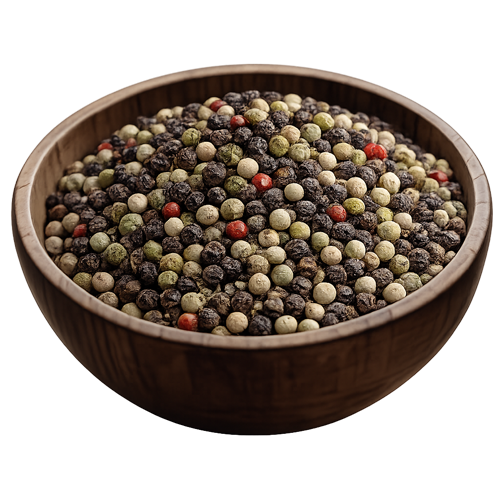
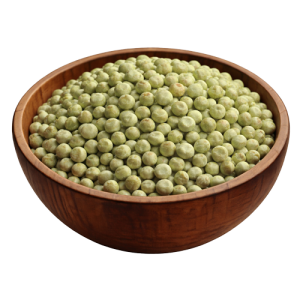
Dried peppers are dehydrated forms of fresh peppers, used to enhance the flavor and heat of dishes. They come in a variety of types, each with unique flavors and heat levels.
Nutrient
Amount per 100 g
Calories
318 kcal
Protein
12.5 g
Total Fat
17.5 g
Saturated fat
2.5 g
Carbohydrates
64.5 g
Fiber
28.1 g
Sugars
13.1 g
Vitamin A
1080 IU (36% of the Daily Value)
Vitamin C
140 mg (233% of the Daily Value)
Calcium
85 mg (9% of the Daily Value)
Iron
6.4 mg (35% of the Daily Value)
Potassium
2328 mg (66% of the Daily Value)
Dried peppers are dehydrated forms of fresh peppers, used to enhance the flavor and heat of dishes. They come in a variety of types, each with unique flavors and heat levels. Common types include:
Ancho (dried poblano): Sweet, smoky, and mildly spicy. Great for sauces and marinades.
Chipotle (dried, smoked jalapeño): Smoky and medium heat, ideal for soups and BBQ.
Guajillo: Mild and tangy, perfect for salsas and mole sauces.
Cayenne: Spicy and pungent, commonly ground into powder for seasoning.
Chile de Árbol: Small, fiery, and nutty, great for hot sauces.
Usage Tips:
Rehydrating: Soak in warm water for 15-30 minutes to soften. Use the water for extra flavor in recipes.
Grinding: Blend into powders for seasoning or spice blends.
Storage: Keep in airtight containers in a cool, dark place to preserve flavor.
Applications
Dried peppers can be used as raw material in various ways across different industries. Here are some common uses:
Culinary Uses:
Spices and Seasonings: Dried peppers, especially chili varieties, are ground into powders and used in spice blends, hot sauces, and seasoning mixes.
Rehydration: Dried peppers can be rehydrated in water to be used in soups, sauces, or stews.
Infusions: They can be used to infuse oils, vinegar, or alcohol for added flavor.
Food Preservation:
Dried peppers are preserved for long-term storage, enabling them to be used in cooking year-round, especially in regions where fresh peppers are seasonal.
Medicinal and Health Uses:
Dried peppers are often used in traditional medicine due to their capsaicin content, which is believed to have pain-relieving and anti-inflammatory properties.
Industrial Uses:
Capsaicin Extraction: Capsaicin, the compound responsible for the heat in peppers, can be extracted from dried peppers and used in products such as creams, patches for pain relief, and in pest deterrents.
Cosmetic Products: Extracts from dried peppers may be used in some cosmetic formulations for their stimulating and antioxidant properties.
Animal Feed:
Some types of dried peppers, particularly those that are not suitable for human consumption, can be processed into animal feed, offering potential health benefits due to their capsaicin content.
Biomass and Energy:
Dried peppers, like other agricultural residues, can be used as a biomass material for energy production, such as biofuel generation.