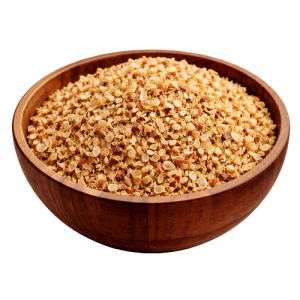
Dried pumpkin can be used in various ways as a versatile ingredient or snack.
Advantages of Using Dried Pumpkin
Long shelf life due to reduced moisture.
Retains nutrients and flavors, making it a cost-effective raw material.
Easy to transport and store.
Nutrient
Amount per 100 g
Calories
343 kcal
Protein
11.3 g
Carbohydrates
62.2 g
Sugars
15-20 g (varies depending on drying method)
Fiber
10-15 g
Total Fat
1.5 g
Saturated Fat
0.2 g
Vitamin A (as beta-carotene)
~10000–15000 IU
Vitamin C
~5-10 mg
Calcium
~90 mg
Iron
~3.5 mg
Magnesium
~90 mg
Potassium
~1600 mg
Zinc
~2 mg
Dried pumpkin can be used in various ways as a versatile ingredient or snack. Here’s an overview:
Forms of Dried Pumpkin
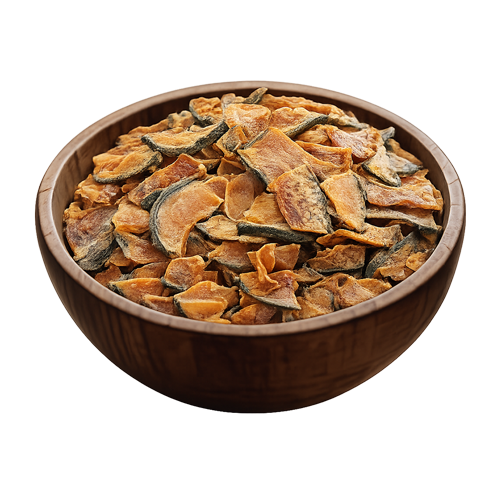
Slices or Chips: Thinly sliced pumpkin, often seasoned and dried for snacks.
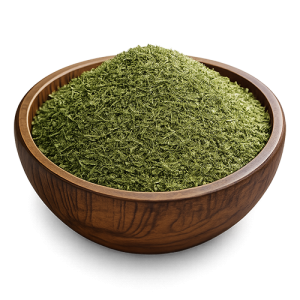
Powder: Pumpkin dried and ground into a powder, used in baking, soups, or smoothies.
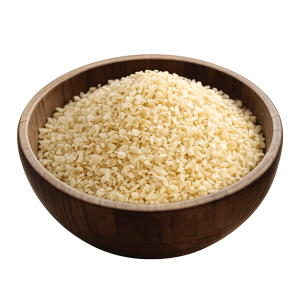
Cubes: Diced pumpkin pieces, dried for cooking or snacking.
Uses
Cooking: Rehydrate for soups, stews, or casseroles.
Baking: Add pumpkin powder to bread, muffins, or pancakes for flavor and nutrition.
Snacking: Enjoy as chips or incorporate into trail mixes.
Pet Treats: Healthy treats for dogs, aiding digestion.
DIY Dried Pumpkin
Dehydrator Method:
Slice pumpkin thinly.
Place on dehydrator trays.
Dry at 135°F (57°C) for 8–12 hours.
Oven Method:
Bake slices at the lowest temperature for 6–8 hours, flipping occasionally.
Applications
Dried pumpkin can be used as a versatile raw material in various industries. Here are some applications:
Food Industry
Powder Production: Dried pumpkin can be ground into a fine powder for use as a natural flavoring or colorant in soups, sauces, baby foods, and baking.
Snack Items: It can be processed into chips or granules for healthy snacks or used in granola bars and trail mixes.
Ingredient for Instant Foods: Dried pumpkin can be rehydrated for use in instant soups, ready-to-cook meals, and puree production.
Animal Feed
Nutritional Additive: Rich in vitamins, minerals, and fiber, dried pumpkin is used in livestock and pet food formulations to enhance nutritional content.
Nutraceuticals and Dietary Supplements
High in Nutrients: Dried pumpkin is a source of beta-carotene, antioxidants, and dietary fiber, making it suitable for supplements or functional foods.
Cosmetic Industry
Natural Skincare Products: Its antioxidants and vitamins make dried pumpkin useful in making masks, scrubs, and creams for skincare.
Textile and Packaging
Bioplastics: Dried pumpkin can be used to extract starch, which is an eco-friendly raw material for bioplastics and biodegradable packaging.
Fermentation Industry
Ethanol Production: As a starch-rich material, dried pumpkin can be used for bioethanol production.
Probiotics and Enzymes: It can serve as a fermentation substrate in producing beneficial microbes and enzymes.
Agricultural Applications
Composting and Fertilizer: Leftover materials from dried pumpkin can be converted into organic fertilizers or compost for soil enrichment.
Artisanal Uses
Craft Materials: Ground dried pumpkin can be used to make natural dyes or pigments for crafts and artistic purposes.