

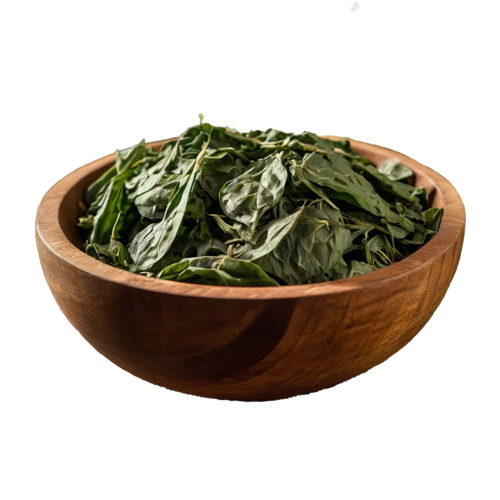
Dried Spinach
Since spinach loses a significant amount of its water content during the drying process, dried spinach is much more concentrated in terms of nutrients compared to fresh spinach.
| Nutrient |
Amount per 100 g |
|---|---|
| Calories |
350–380 kcal |
| Protein |
30–35 g |
| Total Fat |
6–8 g |
| Saturated Fat |
1–1.5 g |
| Carbohydrates |
60–65 g |
| Fiber |
30–35 g |
| Sugars |
3–5 g |
| Sodium |
60 mg |
| Vitamin A |
15,000–20,000 IU (important for eye health and immune function) |
| Vitamin C |
50–60 mg (supports immunity, skin health, and iron absorption) |
| Vitamin K |
800–1,000 mcg (important for blood clotting and bone health) |
| Folate |
150–200 mcg (important for cell division and DNA synthesis) |
| Vitamin B6 |
1.5–2 mg (supports brain function and metabolism) |
| Calcium |
600–700 mg (supports bone health) |
| Iron |
10–15 mg (important for oxygen transport in the blood) |
| Magnesium |
250–300 mg (important for muscle and nerve function) |
| Potassium |
1,500–2,000 mg (helps with blood pressure regulation and muscle function) |
| Zinc |
2–3 mg |
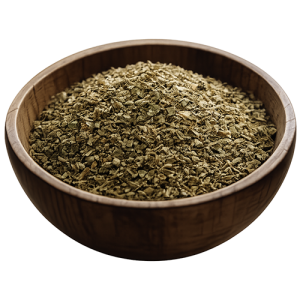
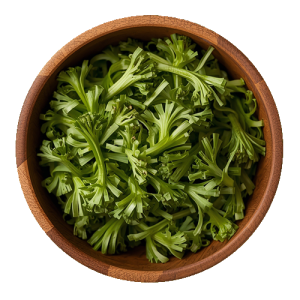
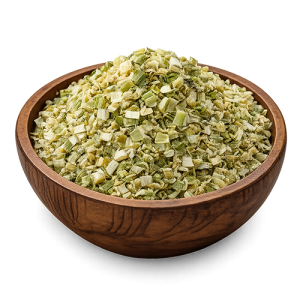
Dried Spinach is simply fresh spinach (Spinacia oleracea) that has been dehydrated for long-term storage or for use in cooking. Spinach is a highly nutritious leafy green vegetable, rich in vitamins, minerals, and antioxidants, making dried spinach a convenient and shelf-stable alternative to fresh spinach.
- Culinary Applications:
- Dried spinach is a highly versatile ingredient and can be rehydrated or used in its powdered form in a wide range of dishes. Below are some common ways to use dried spinach:
- Soups and Stews: Dried spinach can be rehydrated and added to soups, stews, and broths. It can enhance the flavor and nutritional value of these dishes. Simply soak it in warm water for about 10–15 minutes before adding it to your dish.
- Smoothies: Spinach powder (made from dried spinach) can be added to smoothies as a nutrient boost. It's an excellent way to incorporate the health benefits of spinach without the strong flavor of fresh greens.
- Baked Goods: Dried spinach can be ground into a powder and added to breads, muffins, pancakes, or other baked goods. The powder gives a subtle earthy flavor and adds green color to the batter or dough.
- Pasta and Pizza Dough: Add spinach powder to pasta or pizza dough to create nutrient-dense, colorful variations. The powder integrates easily and doesn’t overpower the flavor of the dish.
- Seasoning and Spices: Dried spinach powder can be incorporated into seasoning mixes, particularly in savory spice blends. It can be used to flavor vegetable dishes, casseroles, and dips.
- Veggie Burgers and Patties: You can add dried spinach powder to veggie burgers, lentil patties, or meatballs for extra nutrients and a vibrant green color.
- Egg Dishes: Add rehydrated dried spinach to scrambled eggs, omelets, or quiches for added nutrients and flavor.
- Salads: Although dried spinach isn't typically used in salads directly, you can rehydrate it and add it to salads for an additional green component.
- Medicinal and Health Uses:
- Iron Supplementation: Spinach is rich in non-heme iron, which is important for preventing and treating iron deficiency anemia. Including dried spinach in your diet can help boost your iron intake.
- Digestive Health: Due to its high fiber content, dried spinach aids in digestion, promotes gut health, and helps prevent constipation. It also supports healthy bowel movements.
- Detoxification: Spinach is known for its detoxifying properties. It helps cleanse the liver and remove toxins from the body, supporting overall health and vitality.
- Bone Health: The high levels of calcium and Vitamin K in dried spinach support bone health by aiding in calcium absorption and bone mineralization.
- Eye Health: The Vitamin A (in the form of beta-carotene) and lutein in spinach support eye health, potentially preventing conditions like macular degeneration and cataracts.
- Cosmetic and Personal Care:
- Face Masks: The antioxidants in spinach can help rejuvenate the skin. Dried spinach powder can be mixed with yogurt or honey to make a hydrating and revitalizing face mask.
- Hair Care: Spinach is believed to promote hair health. It can be used in hair masks to strengthen hair, reduce dandruff, and improve shine and texture.
- Skin Health: The Vitamin C in spinach can help to brighten the skin and promote collagen production, while the Vitamin A may help with acne prevention.
- Animal Feed:
- Dried spinach can be used as a supplement in animal feed, particularly for herbivorous animals like rabbits, guinea pigs, or even livestock. It provides extra nutrients like fiber, vitamins, and minerals.