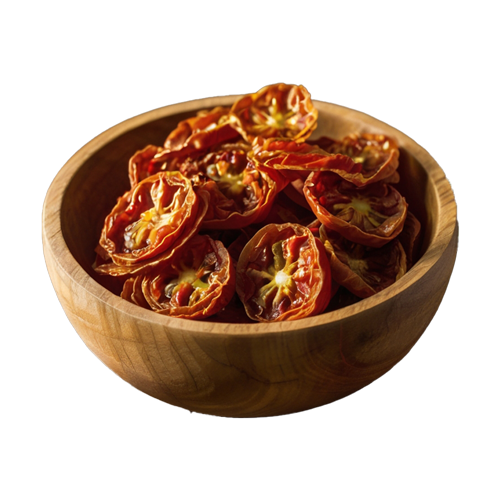
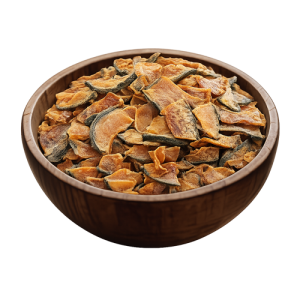
Dried tomatoes, often referred to as sun-dried tomatoes, are ripe tomatoes that have been dehydrated to preserve them and concentrate their flavor.
Nutrient
Amount per 100 g
Calories
258 kcal
Protein
14.1 g
Total Fat
3.0 g
Saturated Fat
0.4 g
Carbohydrates
55.8 g
Sugars
37.6 g
Fiber
12.3 g
Sodium
87 mg
Potassium
3427 mg
Vitamin C
39.2 mg (65% of the RDI)
Calcium
110 mg (11% of the RDI)
Iron
9.1 mg (51% of the RDI)
Magnesium
194 mg
Dried tomatoes, often referred to as sun-dried tomatoes, are ripe tomatoes that have been dehydrated to preserve them and concentrate their flavor. They are typically chewy, tangy, and sweet, with an intense tomato flavor. Here are some common uses and information about dried tomatoes:
Types:
Sun-dried tomatoes: Dried naturally under the sun, usually with a sprinkle of salt.
Oven-dried tomatoes: Dried in a low-temperature oven, often quicker but less traditional.
Dehydrated tomatoes: Made using a food dehydrator for controlled drying.
Uses:
Cooking: Great for pasta, salads, sauces, pizzas, and dips.
Snacking: Can be eaten as-is or marinated in olive oil with herbs.
Preserving: Often stored in jars with oil and spices to enhance their flavor.
Preparation Tips:
Rehydration: Soak dried tomatoes in hot water, broth, or wine for 15-30 minutes to soften them.
Oil-packed: Ready to use and require no rehydration, but the oil can add flavor to dishes.
Culinary Uses
Powdered Form
Tomato Powder: Ground into a powder to make seasoning blends, soups, sauces, or flavor-enhancing dust for snacks.
Instant Soup Bases: Tomato powder can serve as a base for instant soups or stews.
Rehydration
Soups and Stews: Soaked in water to rehydrate and added to recipes for a chewy texture and rich flavor.
Pasta and Risotto: Rehydrated and used to enhance Mediterranean dishes.
Direct Use
Snacks: Eaten as-is or coated with herbs for a healthy snack.
Salads and Sandwiches: Chopped and mixed into salads, wraps, or sandwiches for tangy flavor.
Pizza Toppings: Used as a topping for pizzas or flatbreads.
Oil-Based Products
Infused Oils: Steeped in olive oil with herbs to create flavored oils.
Pesto and Spreads: Blended with herbs, nuts, and oils for spreads or dips.
Preserves
Marinated Dried Tomatoes: Stored in jars with olive oil, garlic, and herbs for long-term use.
Flavoring Agents
Stocks and Broths: Added to enhance the flavor profile.
Bakery Items: Incorporated into bread, crackers, or pastries for a savory twist.
Non-Culinary Uses
Cosmetic Products
Tomato extracts from dried tomatoes are used in skincare for their antioxidant and lycopene-rich properties.
Nutritional Supplements
Ground into powders for use in dietary supplements due to high levels of vitamins A, C, and antioxidants.
Animal Feed
Processed as a nutritious additive for livestock feed.
Natural Dyes
Used for natural red coloring in textiles or food products.
Dried tomatoes are a sustainable ingredient with minimal waste, making them valuable in various industries.