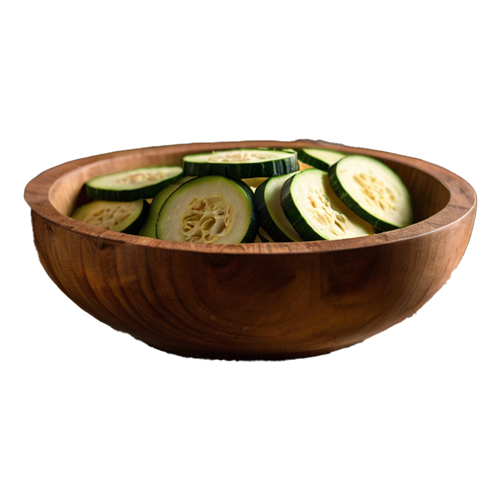
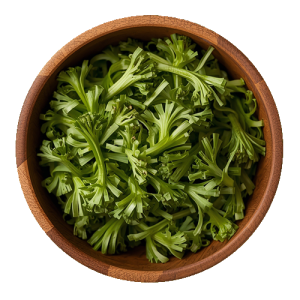
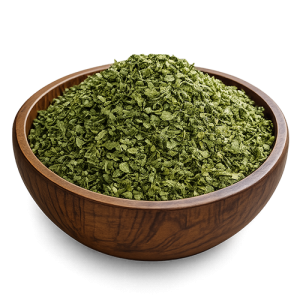
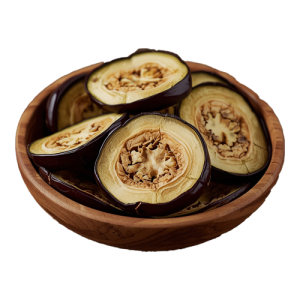
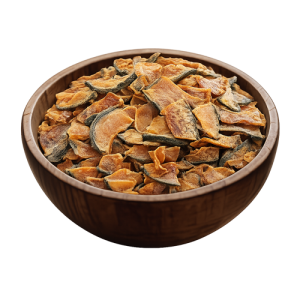
Dried zucchini is a versatile ingredient that can be used in many recipes or enjoyed as a snack
Nutrient
Amount per 100 g
Calories
317 kcal
Protein
4.6 g
Total Fat
1.6 g
Saturated Fat
0.3 g
Carbohydrates
63 g
Fiber
14 g
Sugars
7 g
Vitamin C
14 mg
Calcium
55 mg
Iron
2.4 mg
Potassium
1,300 mg
How to Make Dried Zucchini
Preparation:
Wash and slice zucchini into uniform thin slices (about 1/4 inch thick or thinner for chips).
Optionally, season with salt, herbs, or spices if making zucchini chips.
Drying Methods:
Dehydrator: Place slices on dehydrator trays and dry at 125°F (52°C) for 8–12 hours until completely dry and crisp.
Oven: Place slices on a baking sheet lined with parchment paper and bake at the lowest temperature (usually around 170°F or 75°C) for 2–4 hours, flipping halfway through.
Sun Drying: Lay slices out on a clean screen or mesh, cover with a mesh cover, and let them dry in the sun for a few days, bringing them indoors at night. Ensure proper airflow and low humidity.
Storage:
Store dried zucchini in an airtight container or vacuum-sealed bag in a cool, dark place. It can last up to a year if properly stored.
Applications
Uses for Dried Zucchini
Snacks: Eat as-is for a healthy, crunchy snack.
Soups and Stews: Rehydrate and add to broths for extra texture and nutrients.
Casseroles: Layer rehydrated zucchini in lasagnas or casseroles.
Powder: Grind dried zucchini into powder for use in smoothies, sauces, or baking
Dried zucchini can be used as a raw material in various ways, depending on the desired end product or use. Here are some potential applications:
Rehydrated in Cooking: Dried zucchini can be rehydrated in water, broth, or other liquids. Once rehydrated, it can be used in soups, stews, sauces, casseroles, or stir-fries.
Powdered Form: Dried zucchini can be ground into a powder. This zucchini powder can be used as a thickening agent in soups or sauces, as an additive in smoothies or protein shakes, or as an ingredient in gluten-free or vegetable-based flours for baking.
Snack Products: Dried zucchini slices can be eaten as a healthy snack, similar to chips. These can be seasoned and baked or used as part of a mixed vegetable snack.
Vegetable Mixes: Dried zucchini can be included in pre-packaged vegetable mixes for instant soups or ready-to-cook meals.
Pet Food: Some pet foods use dried zucchini as a vegetable supplement, adding nutritional value to animal diets.
Cosmetic Products: Zucchini has beneficial nutrients like vitamins and antioxidants that can be used in cosmetic formulations. Dried zucchini can be incorporated into skincare products like face masks or lotions.
Animal Feed: In some cases, dried zucchini can be used as a supplementary ingredient in animal feed for livestock.
Natural Food Coloring: When processed correctly, dried zucchini can be used to create natural green food coloring for other products.