

Dried Cress
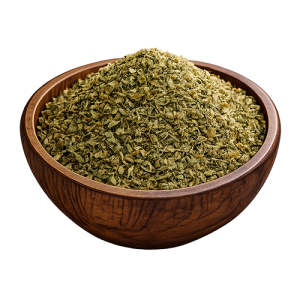
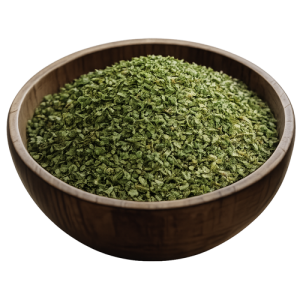
Dried Cress refers to the dried form of cress, a leafy herb from the Lepidium genus, commonly used for its peppery, mustard-like flavor. The most commonly used types of cress are watercress (Nasturtium officinale) and garden cress (Lepidium sativum), both of which are rich in nutrients and known for their spicy, tangy taste. Dried cress retains much of the flavor and health benefits of fresh cress, though it is more concentrated, so smaller amounts are typically used in recipes.
| Nutrient |
Amount per 100 g |
|---|---|
| Calories |
305 kcal |
| Protein |
19 g |
| Total Fat |
7.3 g |
| Saturated Fat |
1.1 g |
| Carbohydrates |
44.7g |
| Fiber |
33 g |
| Sugars |
3.6 g |
| Vitamin A |
10,000 IU (important for eye health, skin, and immune function) |
| Vitamin C |
150 mg (supports immune function, collagen synthesis, and skin health) |
| Vitamin K |
350 mcg (important for blood clotting and bone health) |
| Vitamin E |
4.3 mg (antioxidant that protects cells from damage) |
| Vitamin B6 |
0.2 mg (supports brain function and metabolism) |
| Folate |
180 mcg (important for cell division and DNA synthesis) |
| Calcium |
1,000 mg (supports bone and dental health) |
| Iron |
9.5 mg (important for oxygen transport in the blood) |
| Potassium |
1,500 mg (helps maintain fluid balance and supports heart function) |
| Magnesium |
270 mg (supports muscle function and heart health) |
| Zinc |
3.4 mg (supports immune function and skin health) |
Key Nutrients and Health Benefits:
Rich in Vitamins:
- Vitamin A: Essential for vision, skin health, and immunity, dried cress is a great source of Vitamin A, which helps protect against night blindness and supports overall eye health.
- Vitamin C: This powerful antioxidant helps boost the immune system, supports collagen production for healthy skin, and aids in the absorption of iron from plant-based sources.
- Vitamin K: Dried cress is an excellent source of Vitamin K, which plays a crucial role in blood clotting and bone health by helping calcium bind to bones and teeth.
Mineral-Rich:
- Calcium: Supports bone health, tooth development, and muscle function. Dried cress is a great source of calcium for those who do not consume dairy.
- Iron: This herb provides a good amount of iron, essential for transporting oxygen in the blood and preventing iron-deficiency anemia.
- Magnesium and Potassium: Both minerals help maintain healthy muscle and nerve function, regulate blood pressure, and support cardiovascular health.
Antioxidant Power:
- Dried cress contains significant levels of antioxidants, which help neutralize free radicals in the body and protect cells from oxidative stress. This reduces the risk of chronic diseases like cancer, heart disease, and diabetes.
Digestive Health:
- Cress is high in fiber, which supports digestive health by promoting regular bowel movements, improving gut health, and helping manage cholesterol levels.
- The peppery flavor of cress can also stimulate the appetite and improve digestion, especially in individuals who experience sluggish digestion or bloating.
Anti-inflammatory Properties:
- Dried cress contains compounds that help reduce inflammation in the body, making it useful for people with conditions like arthritis, asthma, and other inflammatory diseases.
Antimicrobial and Antibacterial Effects:
- The glucosinolates in cress, as well as its high vitamin C content, provide antimicrobial and antibacterial benefits that help support the immune system and prevent infections.
Dried cress is typically used in small amounts due to its concentrated flavor. While fresh cress is more commonly used in salads and garnishes, dried cress can be added to dishes for a punch of spice and nutritional benefits.
- Salads and Sandwiches:
- Salads: Dried cress can be added to salads, especially those that include leafy greens, tomatoes, cucumbers, and avocados. It works well in arugula, rocket, and spinach-based salads.
- Sandwiches: Sprinkle dried cress on sandwiches or wraps, particularly those with egg, avocado, cheese, or smoked salmon. It adds a peppery, mustard-like kick.
- Soups and Stews:
- Vegetable Soups: Dried cress can be added to vegetable soups, broths, or stews. Its flavor complements potato, leek, and pea soups.
- Spicy Soups: The peppery taste of dried cress makes it a good addition to spicy soups, such as lentil or tomato soup.
- Meat and Fish Dishes:
- Meat Dishes: Dried cress pairs well with meats, especially roasted meats such as beef, lamb, and pork. It can be used in marinades or sprinkled on top of grilled meats for added flavor.
- Fish: Cress goes well with salmon, tuna, and other fatty fish, either as a garnish or blended into a herbed sauce.
- Pesto and Sauces:
- Herb Blends: Dried cress can be combined with other herbs like parsley, basil, and rosemary to create a unique herb blend. Use it to flavor olive oil or vinegar for dressings and sauces.
- Pesto: Add dried cress to a pesto sauce for a peppery variation on the traditional basil pesto.
- Eggs and Breakfast Dishes:
- Egg Dishes: Sprinkle dried cress over scrambled eggs, omelets, or frittatas to add a zesty, peppery note.
- Breakfast Bowls: Add dried cress to avocado toast or grain bowls for extra flavor and nutrients.
- Grains and Pasta:
- Rice and Quinoa: Use dried cress in rice dishes, pilafs, or quinoa salads for a tangy herbal flavor.
- Pasta: Dried cress can be sprinkled on top of pasta dishes, especially those with tomato sauce, creamy sauces, or Mediterranean flavors like olives and feta cheese.
- Baked Goods:
- Herb Bread: Incorporate dried cress into herb breads or savory scones for an earthy, peppery taste.
- Biscuits: Mix dried cress into biscuits or crackers for an herby addition that complements cheese.
Dried cress has long been used for its potential health benefits. It is used both as a food and a remedy in traditional medicine.
- Digestive Aid:
- Cress has been traditionally used to relieve indigestion, gas, and bloating. Drinking a tea made from dried cress or adding it to meals can help stimulate digestion and improve gut health.
- Its high fiber content also promotes healthy bowel movements and reduces the risk of constipation.
- Detoxification:
- The detoxifying properties of cress help stimulate the liver and kidneys, aiding the body in eliminating toxins. This makes it a useful herb for general detox purposes or for supporting the body's natural detoxification processes.
- Skin Health:
- Due to its high Vitamin C content, dried cress can help in the healing of wounds and the prevention of skin issues like acne and eczema. Topical use of cress or cress oil may promote healthy, clear skin.
- Immune System Support:
- The antibacterial, antimicrobial, and antioxidant properties of dried cress make it beneficial for supporting the immune system. It can be used to prevent colds and infections or to aid recovery from illness.
- Antioxidant Properties:
- Cress contains powerful antioxidants that protect the body from oxidative stress and the damaging effects of free radicals. This helps lower the risk of chronic diseases and premature aging.