Dried Fig

Category:

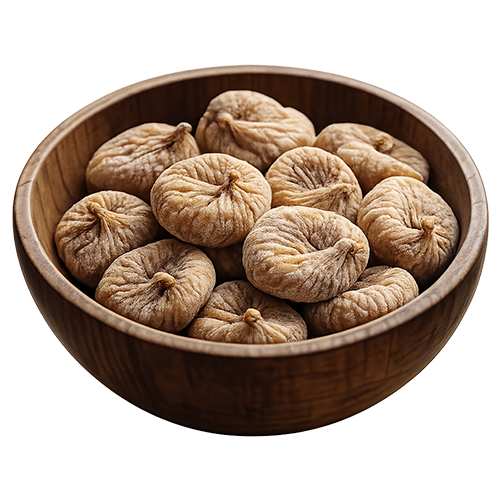
Dried figs are rich snacks made by removing most of the water content from fresh figs. They are sweet, chewy, and packed with essential nutrients.

Nutrient

Amount per 100 g

Calories

249 kcal

Carbohydrates

63.9 g

Sugars

47.9 g

Fiber

9.8 g

Protein

3.3 g

Total Fat

0.9 g

Saturated Fat

0.1 g

Vitamin K

~15.6 µg (13% DV)

Vitamin B6

~0.1 mg (5% DV)

Calcium

~162 mg (16% DV)

Magnesium

~68 mg (17% DV)

Potassium

~680 mg (19% DV)

Iron

~2.0 mg (11% DV)

Phosphorus

~67 mg (7% DV)

Water

~30.1 g

Nutritional Value:

  • Calories: Around 250-300 per 100 grams
  • Fiber: High in dietary fiber, aiding digestion
  • Vitamins: Rich in vitamin K, vitamin B6, and small amounts of vitamin C
  • Minerals: A good source of calcium, potassium, magnesium, and iron
  • Antioxidants: Contains polyphenols and flavonoids

Health Benefits:

  1. Supports digestion: The high level fiber content helps prevent constipation.
  2. Boosts bone health: Calcium and magnesium strengthen bones.
  3. Heart health: Potassium helps regulate blood pressure.
  4. Energy boost: Natural sugars provide quick energy.
  5. Rich in antioxidants: Protects cells from oxidative stress.

How to Use Dried Figs:

  • Snacks: Eat them as is.
  • Cooking: Add to baked goods, cereals, or salads.
  • Rehydration: Soak in water or juice for a softer texture.
  • Smoothies: Blend into drinks for natural sweetness.

Storage:

  • Keep dried figs in an airtight container in a cool, dry place. Refrigeration can extend their shelf life.
Applications

Dried figs can be used as a versatile raw material in various industries  and natural sweetness. Here are some common uses:

  1. Food Industry
  • Snacks and Desserts: Incorporated in energy bars, granola, cookies, cakes, and pastries.
  • Sweeteners: Used as a natural sweetener in jams, sauces, or spreads.
  • Ingredient in Savory Dishes: Added to salads, stuffing, or meat dishes for flavor contrast.
  • Beverages: Used in making fig-based juices, syrups, or fermented drinks like wine.
  1. Nutritional Supplements
  • Health Products: Processed into powders for protein shakes, meal replacements, or dietary supplements.
  • Fiber Enrichment: Used in products aimed at improving digestion.
  1. Confectionery
  • Candies and Chocolates: Dried figs are dipped in chocolate or combined with nuts for confectionery items.
  • Fig Pastes: A key ingredient in fillings for pastries and cookies, such as fig bars.
  1. Cosmetic Industry
  • Natural Skincare: Extracts from dried figs are used in making face masks, scrubs, or creams due to their antioxidants and vitamins.
  1. Pharmaceuticals
  • Medicinal Uses: Dried figs are used in traditional medicine for their laxative properties or in herbal formulations.
  1. Animal Feed
  • Livestock Nutrition: Processed as part of high-energy feed for animals.
  1. Culinary Oils and Extracts
  • Fig Seed Oil: Extracted from the seeds for culinary or cosmetic purposes.
  1. Fermentation Products
  • Alcohol Production: Used in making fig-based wines or spirits.
  • Vinegars: Dried figs can be fermented into unique vinegars.